


 English
 Português
 Indonesia
Submit feedback
Category
Rubber Timing Belts & Toothed Belt Manufacturer
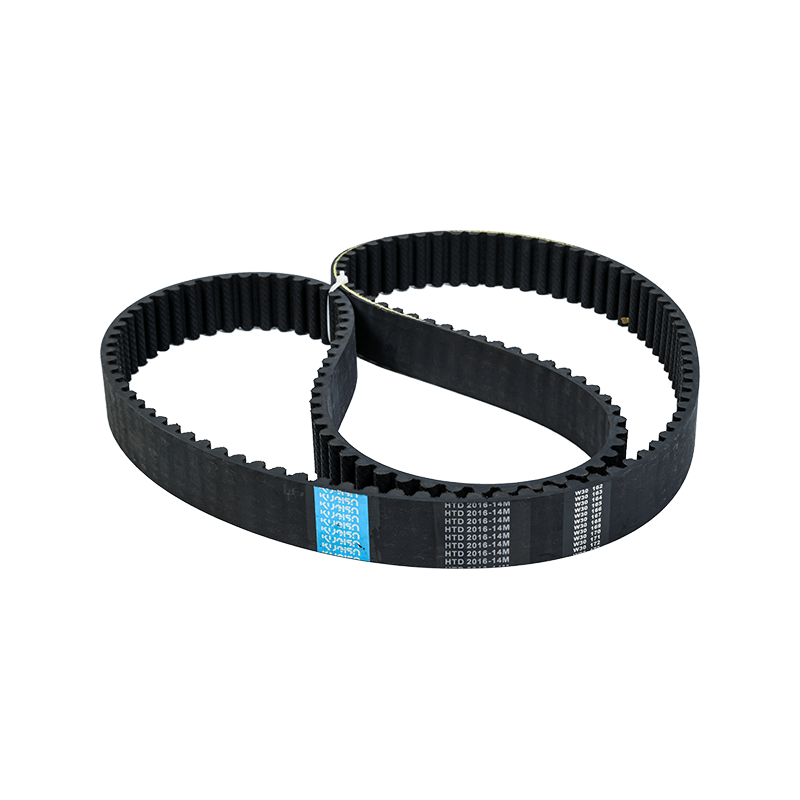
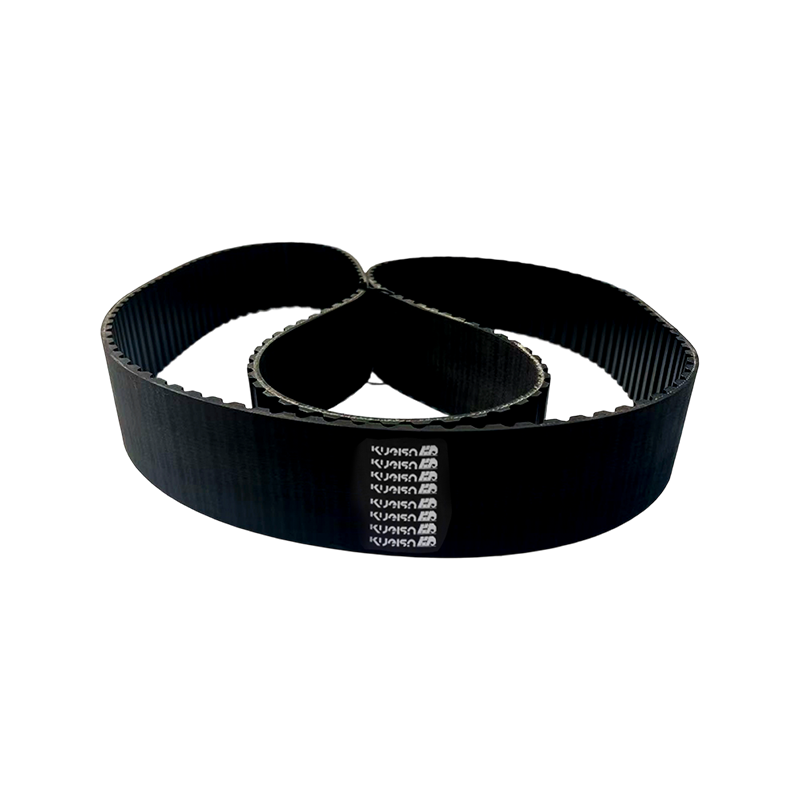
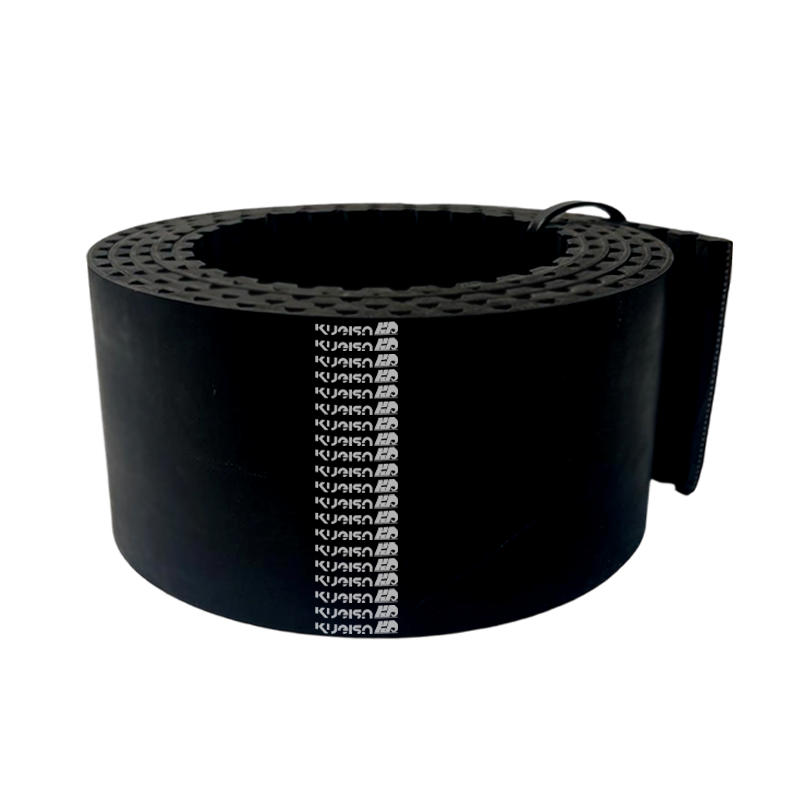
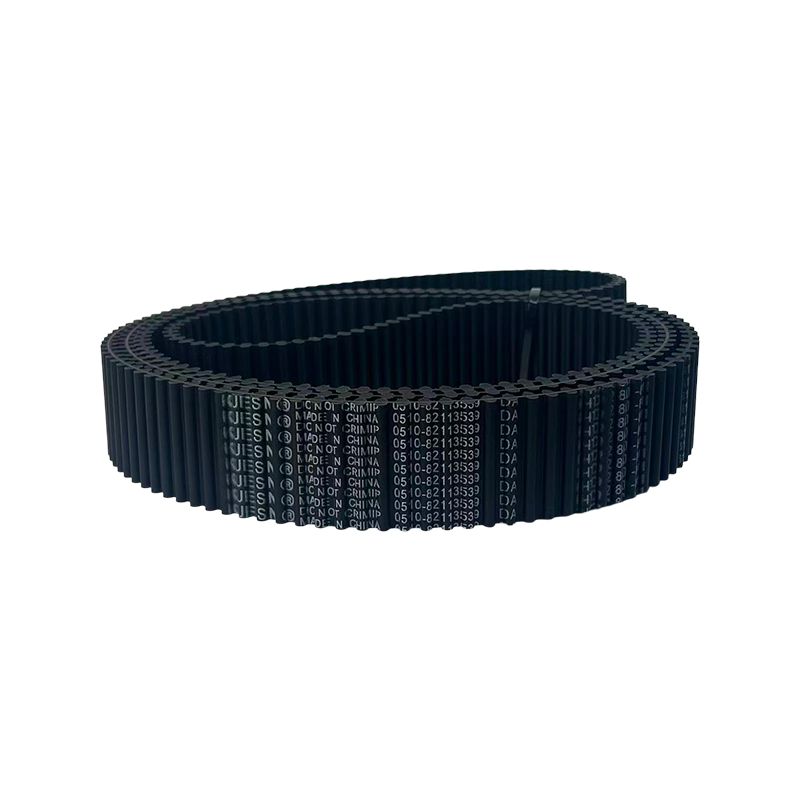
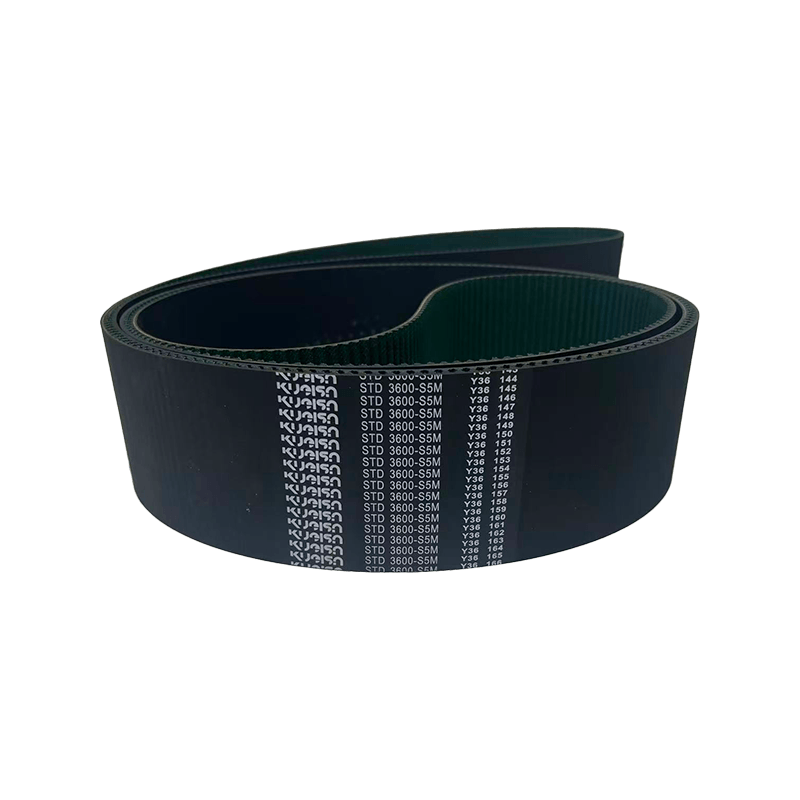
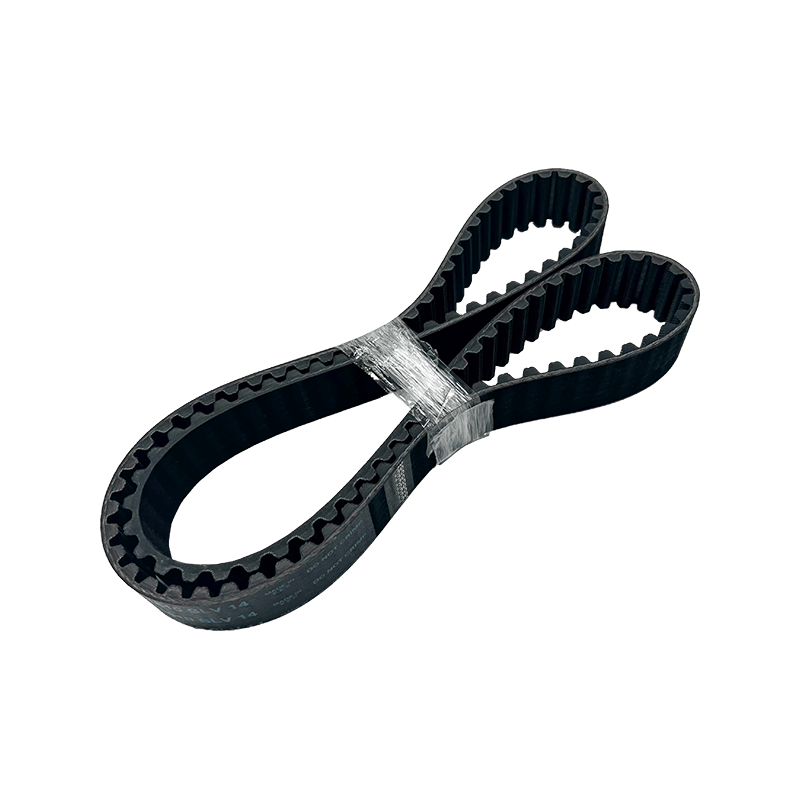
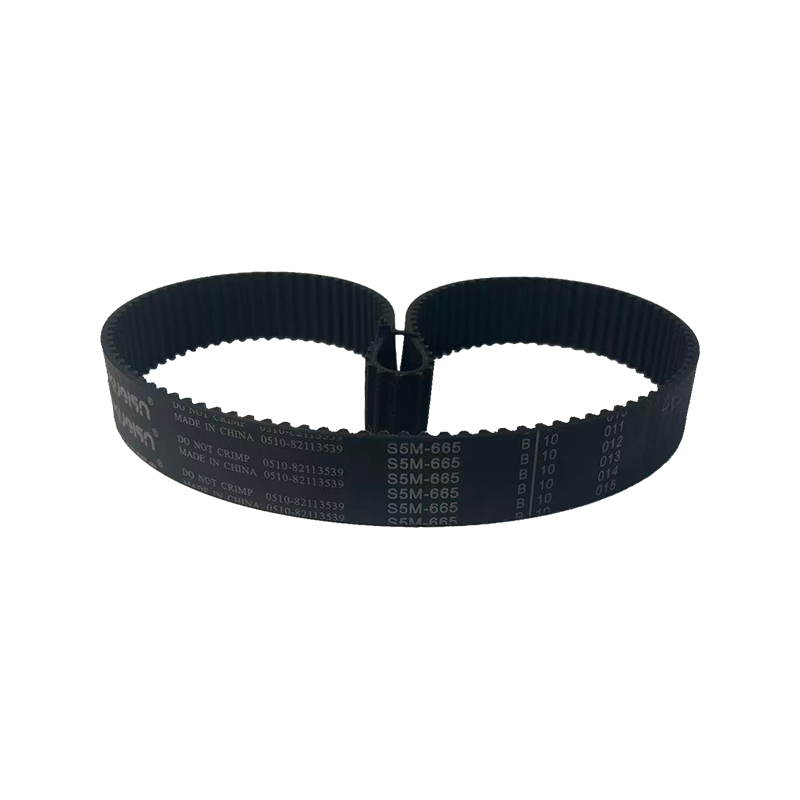
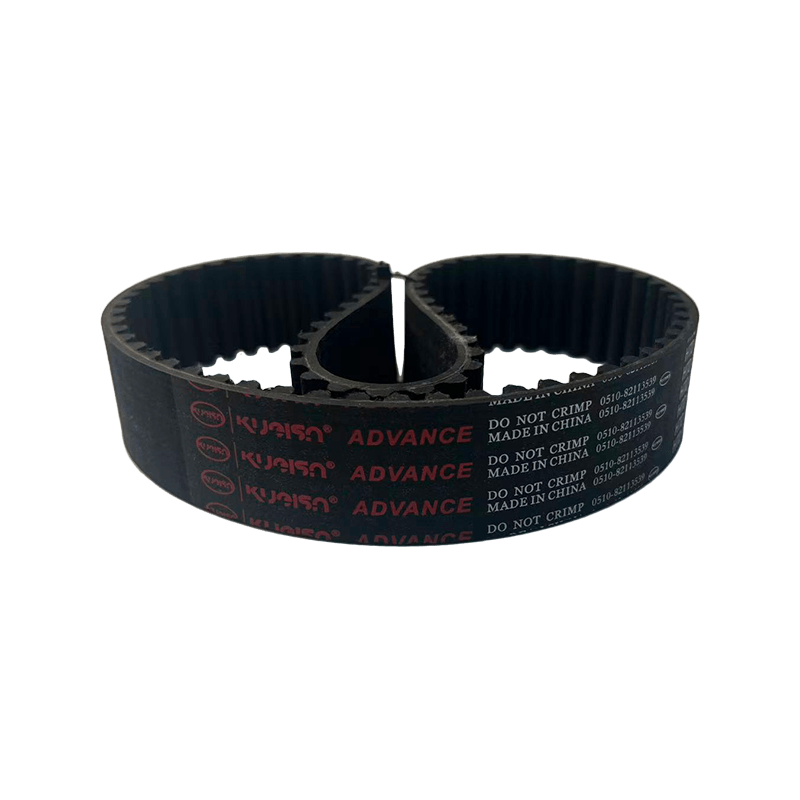
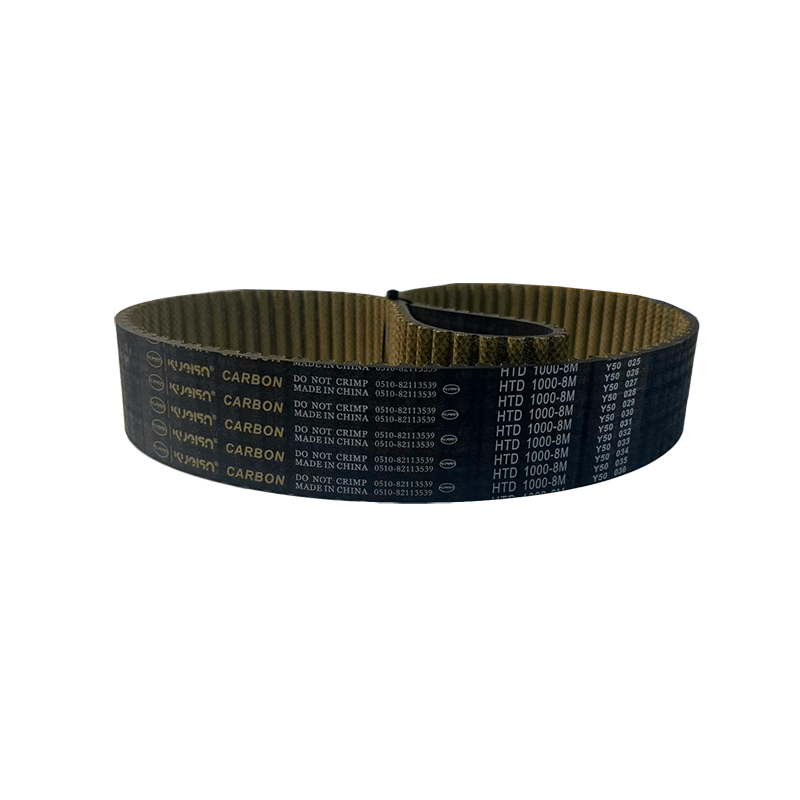
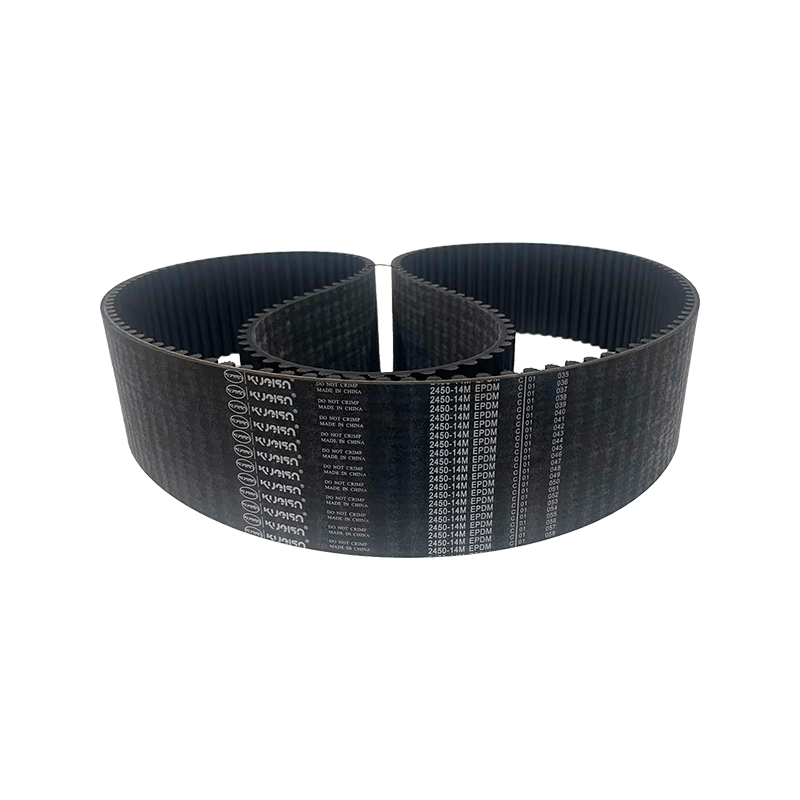
Rubber timing belts are key transmission components that combine transmission, positioning, and conveying functions. Power is transmitted through precise meshing of the teeth on the belt surface with the pulleys. They feature a constant transmission ratio, high efficiency, and low noise, making them widely used in industrial automation, automotive, and precision machinery. The following describes them in detail from four perspectives: classification, application, production process, and advantages.
Classification by Tooth Profile (Core Classification Method)
The tooth profile is crucial to determining the transmission accuracy and load-bearing capacity of synchronous belts. The mainstream tooth profiles have established international standards, and common types are as follows:
Trapezoidal Tooth Synchronous Belts (T-Belts)
Trapezoidal tooth profiles are the earliest standardized type of synchronous belt. The tooth pitch (the distance between the centers of adjacent teeth) is its core parameter. Model Variations: Based on tooth pitch, they are classified as MXL (ultra-fine pitch, 0.8mm), XL (fine pitch, 5.08mm), L (light load, 9.525mm), H (heavy load, 12.7mm), XH (extra-heavy load, 22.225mm), and XXH (super-extra-heavy load, 31.75mm). A larger pitch indicates a greater load-bearing capacity.
Features: Simple structure, low cost, and high versatility; however, stress concentration at the tooth root is significant, leading to heat generation during high-speed transmission. Suitable for medium-to-low speeds and light-to-medium loads.
Hydraulic Tooth Synchronous Belt (HTD Belt)
Hydraulic tooth profiles are arc-shaped (commonly semicircular or modified arc). Compared to trapezoidal teeth, these belts offer a smoother tooth root transition and more uniform stress distribution. Model Specifications: Based on tooth pitch, these belts are categorized as 3M (3mm), 5M (5mm), 8M (8mm), 14M (14mm), and 20M (20mm). Some manufacturers also offer non-standard pitch models such as 2M and 4.5M.
Features: They offer a load capacity 30%-50% higher than trapezoidal tooth belts of the same specification. They are also wear-resistant and impact-resistant, making them suitable for high-speed (up to 40m/s) and high-precision transmissions. They are currently the mainstream type in industrial automation.
Double-Sided Toothed Synchronous Belts (DA/DB)
These belts have teeth on both the top and bottom surfaces, allowing them to drive pulleys in both directions simultaneously, enabling "one belt, multiple drives" or complex transmission layouts.
Type Specifications: Based on the tooth profile, they are categorized as double-sided trapezoidal tooth (DA) and double-sided arc tooth (DB). The tooth pitch is the same as the corresponding single-sided belts (e.g., DB-5M and DA-L).
Features: They save installation space and simplify the transmission structure. They are suitable for equipment requiring bidirectional transmission or compact layouts (e.g., printers and textile machines).
2. Classification by Base Material
The "rubber" in rubber timing belts isn't a single material. Instead, different elastomer base materials are selected based on requirements for temperature resistance, wear resistance, and oil resistance.
Chloroprene rubber timing belt (CR belt)
The base material is chloroprene rubber, with a frame material typically made of glass fiber rope (for enhanced tensile strength) and a nylon cloth covering (for reduced wear).
Features: Excellent weather resistance (-30°C to 120°C), ozone resistance, and wear resistance. A moderate cost makes it suitable for general industrial environments (such as machine tools and conveyors).
Nitrile rubber timing belt (NBR belt)
The base material is nitrile rubber, offering excellent oil resistance. The frame material is typically made of glass fiber or aramid fiber (for higher strength).
Features: Oil and solvent resistance. Operating temperature ranges from -20°C to 100°C. Suitable for applications involving contact with oils (such as automotive engine auxiliary transmissions and hydraulic equipment).
Silicone rubber timing belt (VMQ belt)
The base material is silicone rubber, offering excellent high-temperature resistance. The frame material is typically made of stainless steel wire or aramid fiber. Features: High and low temperature resistance (-50°C to 200°C) and aging resistance, but slightly lower strength and wear resistance than CR/NBR belts. Suitable for high-temperature environments (such as oven conveyor belts and electronic component welding equipment).
Hydrogenated Nitrile Rubber Timing Belt (HNBR Belt)
This hydrogenated modification of nitrile rubber offers oil resistance, high temperature resistance, and aging resistance.
Features: Operating temperature range -40°C to 150°C, oil resistance, chemical resistance, and high strength make it suitable for high-end applications (such as automotive turbocharger systems and petrochemical equipment).
The production of rubber timing belts involves a continuous process of "substrate lamination, molding, vulcanization, and finishing," requiring extremely high process precision.
Rubber timing belts, with their precise transmission ratios, stable operating performance, and strong load capacity, have found widespread and critical applications in a variety of industries, including the following:
Automotive Industry
Machinery Manufacturing Industry
Electronic and Electrical Industry
Medical Device Industry
Logistics and Transportation Industry
Food Processing Industry
Agricultural Machinery Industry

Contact
-

+86-510-82113539
Shirley: +86-18906170683
Got questions? Call us 24/7 -

[email protected]
Contact us now for a quote -

No.99 Fu Rong Zhong San Rd, Xishan District Economic and Technological Development Zones Wuxi City, Jiangsu, China
Copyright © Wuxi KUEISN Transmission Equipment Co.,Ltd.All Rights Reserved. Custom Rubber Timing Belts & Toothed Belt Manufacturer
