


 English
 Português
 Indonesia
Click on the image to view our specific parameters!
Model t hs ht Other Product Details 3M 3.00mm 2.40±0.25mm 1.22mm Click For Detai...
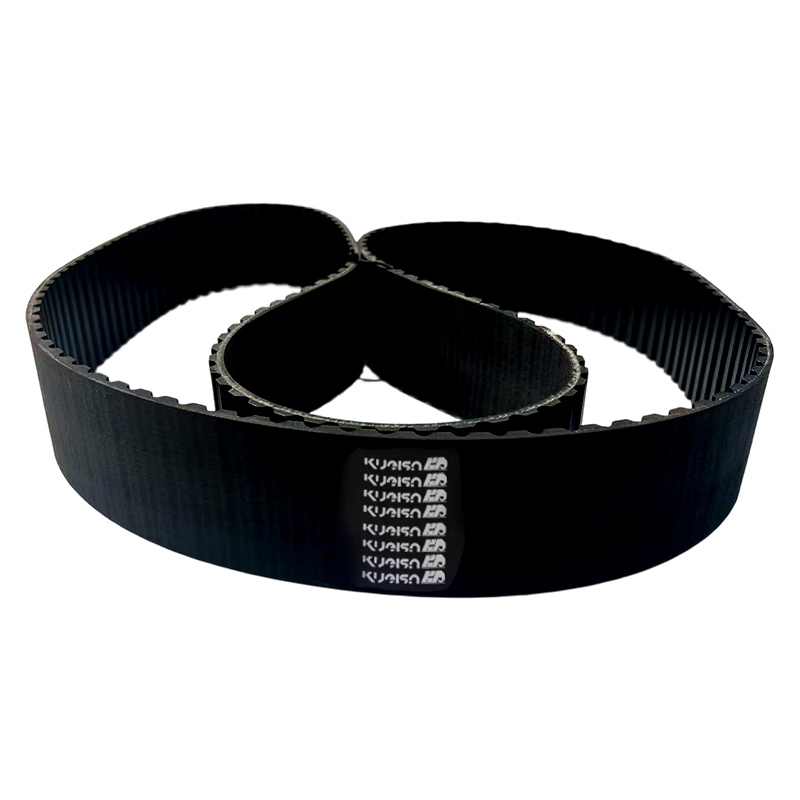
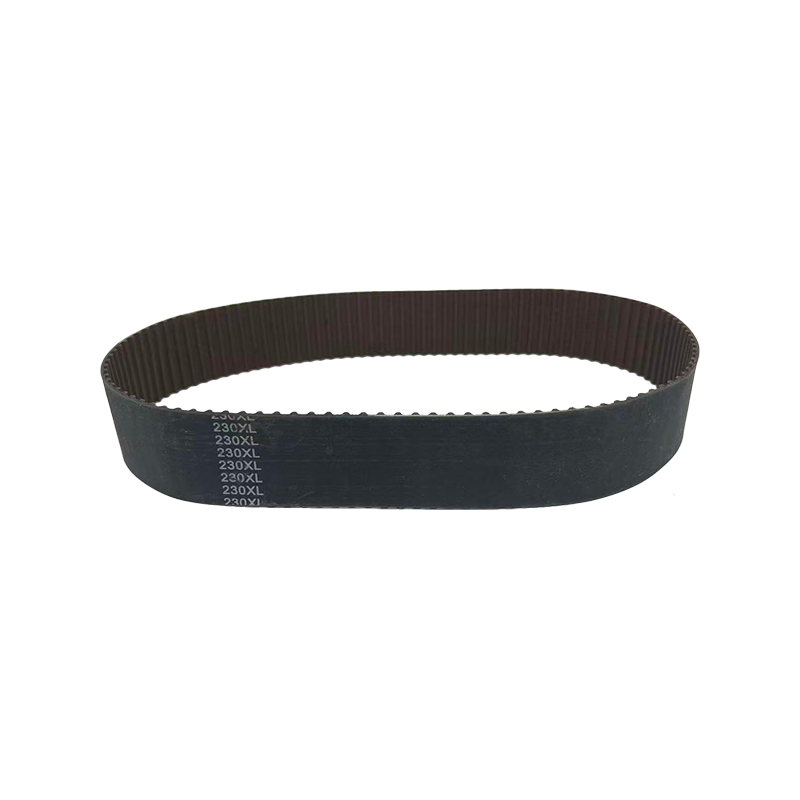
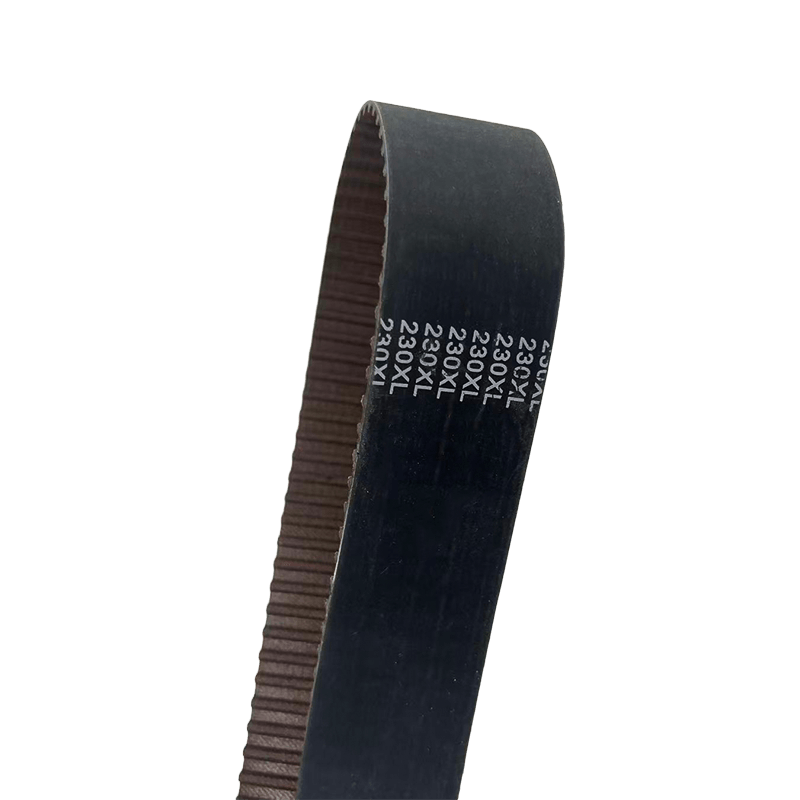
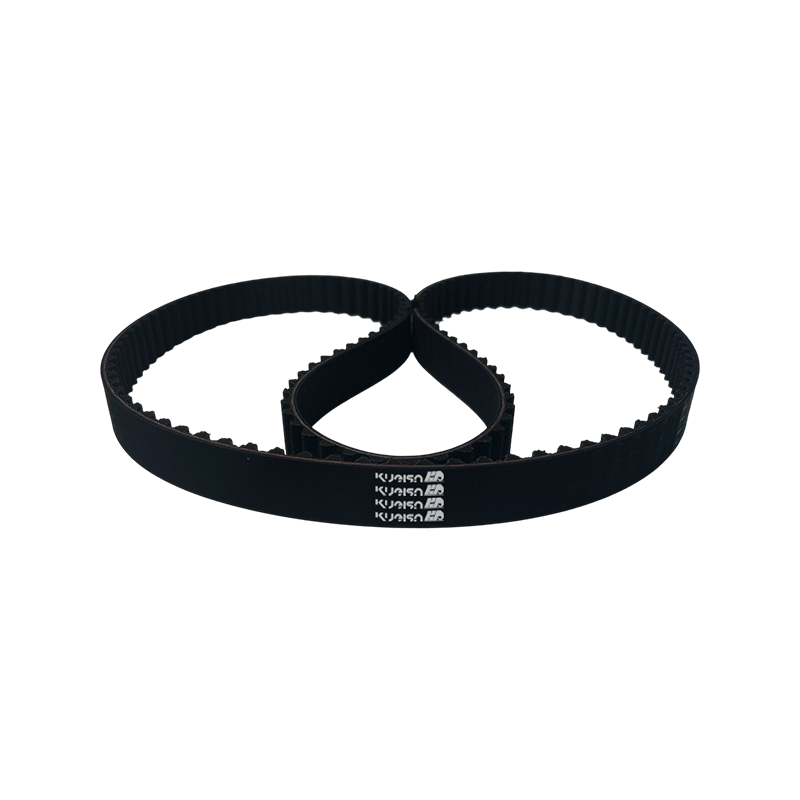
Trapezoidal tooth rubber synchronous belts (commonly known as "standard synchronous belts," such as MXL, XL, L, H models) were the earliest commercially available type of synchronous belt. Their teeth have a trapezoidal structure, and due to their simple structure, controllable cost, and wide adaptability, they remain the mainstream choice for low-to-medium torque and conventional precision transmission scenarios.
Core Product Advantages: Based on the Practical Characteristics of Basic Transmission
The core design principle of trapezoidal tooth synchronous belts is "to meet conventional transmission needs while balancing performance and cost." Their advantages are mainly reflected in three dimensions: structural adaptability, cost control, and operating condition compatibility:
1. Simple structure, low processing and adaptation threshold
2. Controllable cost, significant cost-effectiveness advantage
3. Stable transmission, adaptable to conventional operating conditions
While trapezoidal tooth rubber synchronous belts are not as suitable as curved teeth in high-precision, high-torque scenarios, their core advantages of "standardization, low cost, and easy maintenance" make them a "cost-effective choice" for low-to-medium load and conventional precision transmission scenarios. Their core value lies in helping customers achieve stable basic transmission needs at a lower cost, especially suitable for cost-sensitive household, small industrial, and consumer applications where extreme performance is not required.
 Easy Procurement
 Easy Installation
 Easy Maintenance
 Cost Saving
 Temperature range,depending on application.from -20°c to +100°C
 PAH category 2 acc.to “2014 AfPS GS:01 PAK"
 Conditionally resistant to oil
 Ozone-resistant
 Suitable for tropical climates
 Aging-resistant
 Suitable for reverse flexing/reverse tensioning idlers
 Maintenance-free
 Antistatic to ISO 9563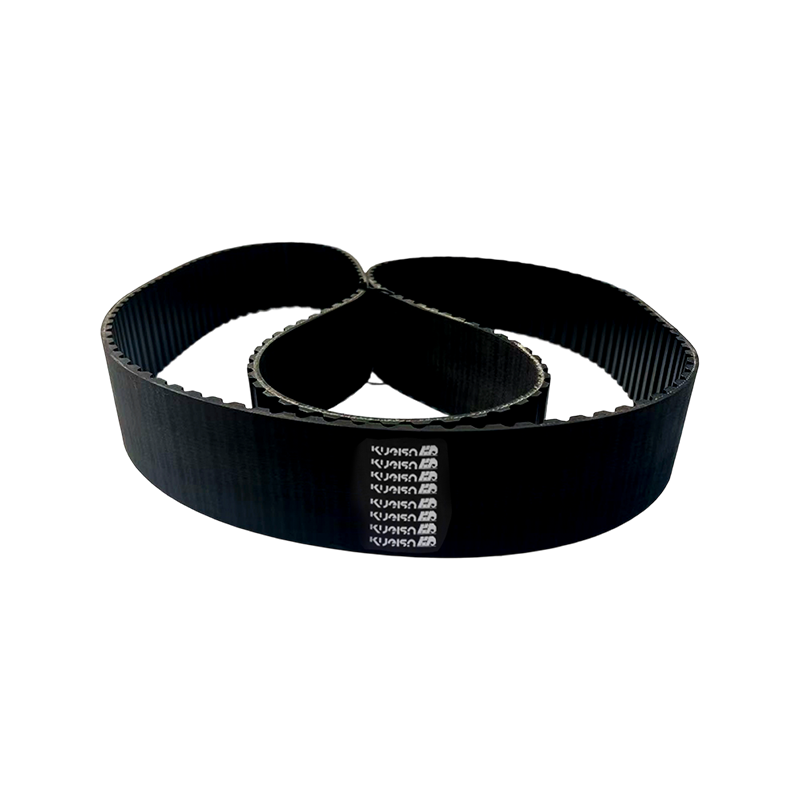
Click on the image to view our specific parameters!
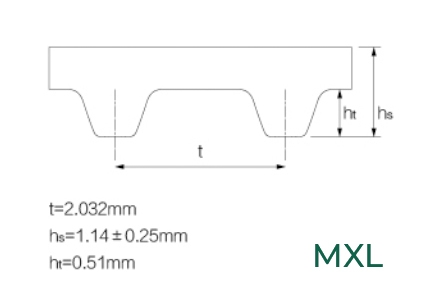
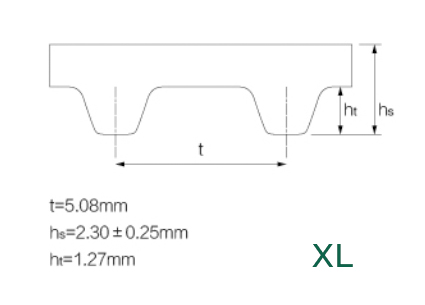
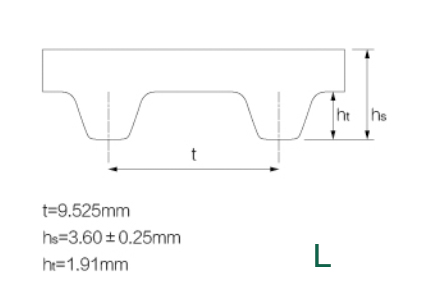
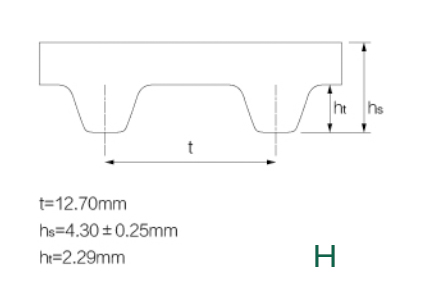
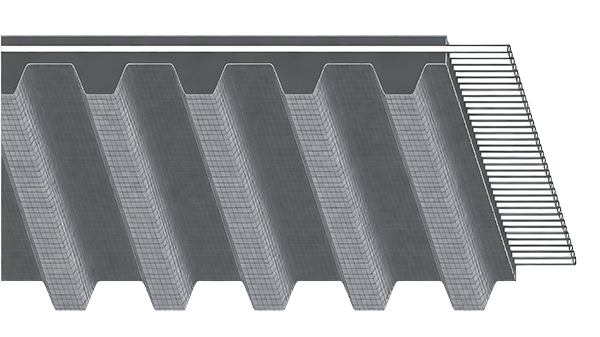
Trapezoidal tooth rubber synchronous belts (commonly known as "standard synchronous belts," such as MXL, XL, L, H models) were the earliest commercially available type of synchronous belt. Their teeth have a trapezoidal structure, and due to their simple structure, controllable cost, and wide adaptability, they remain the mainstream choice for low-to-medium torque and conventional precision transmission scenarios.
Core Product Advantages: Based on the Practical Characteristics of Basic Transmission
The core design principle of trapezoidal tooth synchronous belts is "to meet conventional transmission needs while balancing performance and cost." Their advantages are mainly reflected in three dimensions: structural adaptability, cost control, and operating condition compatibility:
1. Simple structure, low processing and adaptation threshold
2. Controllable cost, significant cost-effectiveness advantage
3. Stable transmission, adaptable to conventional operating conditions
While trapezoidal tooth rubber synchronous belts are not as suitable as curved teeth in high-precision, high-torque scenarios, their core advantages of "standardization, low cost, and easy maintenance" make them a "cost-effective choice" for low-to-medium load and conventional precision transmission scenarios. Their core value lies in helping customers achieve stable basic transmission needs at a lower cost, especially suitable for cost-sensitive household, small industrial, and consumer applications where extreme performance is not required.
Typical Applications: Covering a Wide Range of Scenarios Requiring "Low to Medium Torque and Conventional Precision" The core applications of trapezoidal tooth synchronous belts are in scenarios where "high precision and high torque are not required, but cost-effectiveness and practicality are needed." They are widely distributed in home appliances, small industrial equipment, office equipment, and consumer machinery, specifically as follows:
1. Home Appliances (Core Requirements: Low Cost, Small Space, Easy Maintenance)
2. Small Industrial Equipment (Core Requirements: Universal Compatibility, Low Maintenance Costs)
3. Office and Educational Equipment (Core Requirements: Quiet Operation, Low Torque)
4. Consumer and Small Machinery (Core Requirements: Cost-Effectiveness, Easy Replacement)
5. Automotive Auxiliary Equipment (Core Requirements: Low Cost, Conventional Weather Resistance)
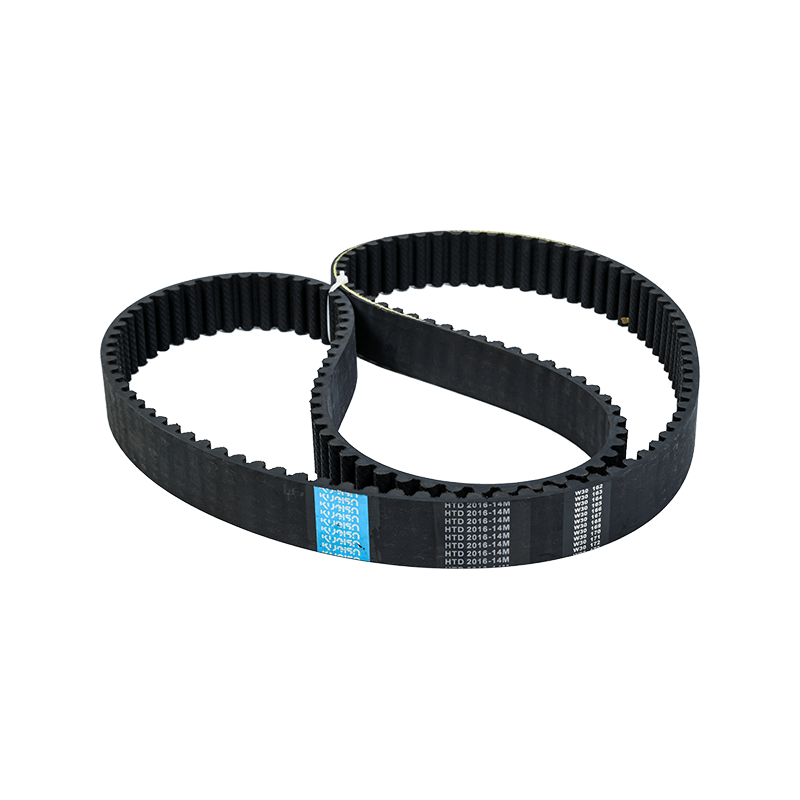
Model t hs ht Other Product Details 3M 3.00mm 2.40±0.25mm 1.22mm Click For Detai...
Model t hs ht Other Product Details MXL 2.032mm 1.14±0.25mm 0.51mm Click For Det...
Item Trapezoidal Teeth Arc Teeth MX L XL XXL L H XH XXH T2.5 T5 AT5 T10 AT10 T20...
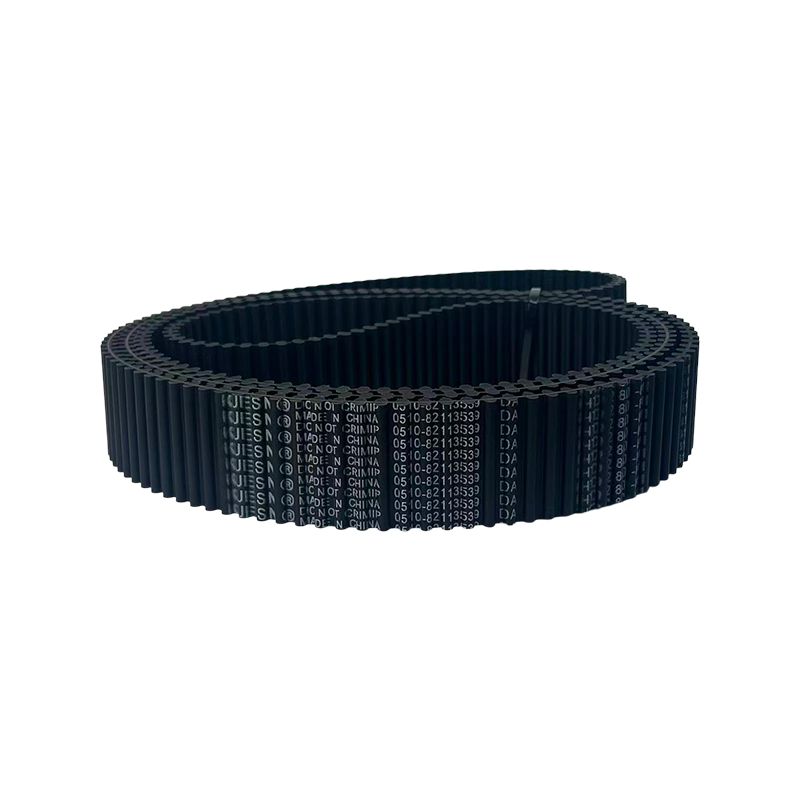
Model W T Other Product Details D-XL 0.508 3.05 Click For Details D-L 0.762 4.58...
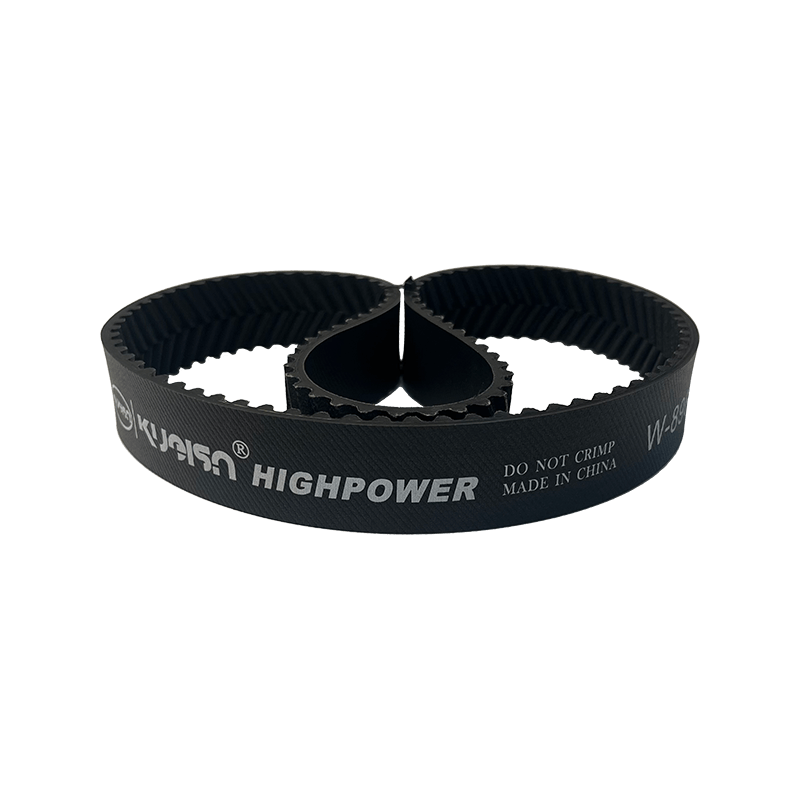
Marker W(mm) P(mm) Th(mm) H(mm) Y-8M 16 8 533 305 W-8M 32 8 533 305 P-8M 64 ...
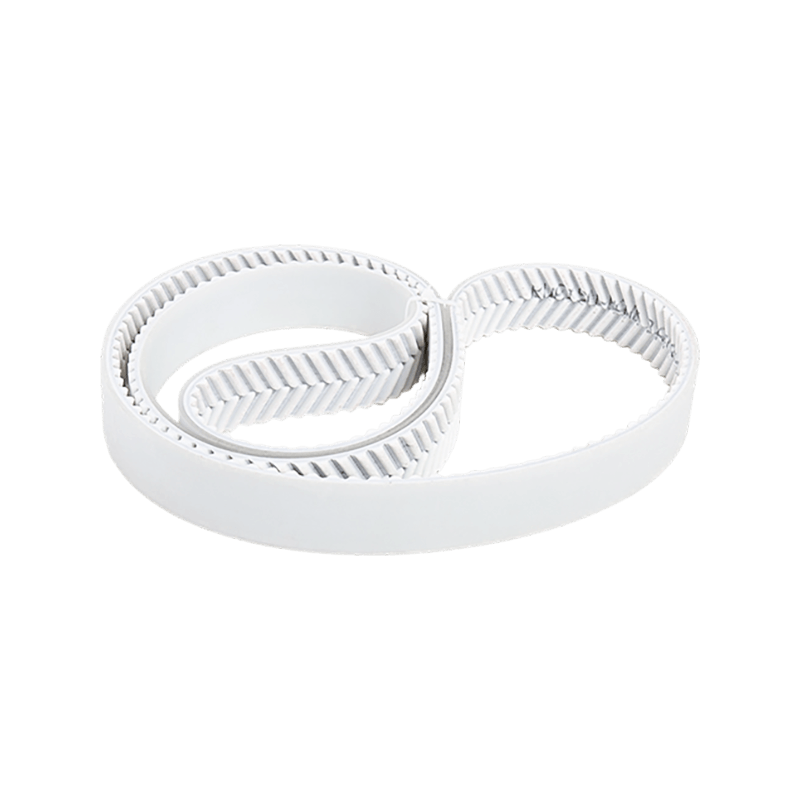
Model t hs ht Other Product Details EAGLE 5M 5 1.9 3.6 Click For Details EAGLE 8...
EAGLE 5MEAGLE 8MEAGLE 10MEAGLE 14M
Materials: CR/HNBR Type Pb ht hs MR 9.525 3.54 5.69 MY 8.00 3.06 5.21 YU ...
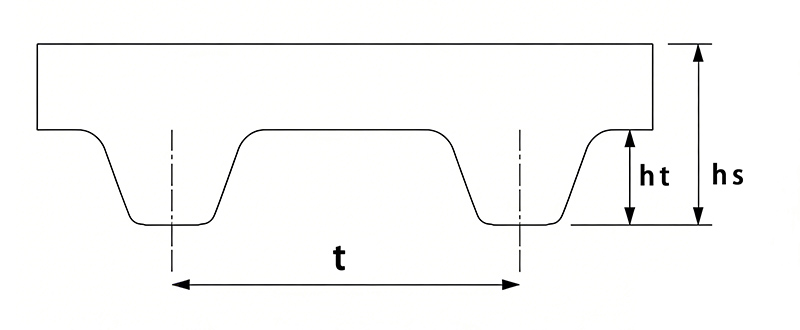
| Model | t | hs | ht | Other Product Details |
| MXL | 2.032mm | 1.14±0.25mm | 0.51mm | Click For Details |
| XL | 5.08mm | 2.30±0.25mm | 1.27mm | Click For Details |
| L | 9.525mm | 3.60±0.25mm | 1.91mm | Click For Details |
| H | 12.70mm | 4.30±0.25mm | 2.29mm | Click For Details |
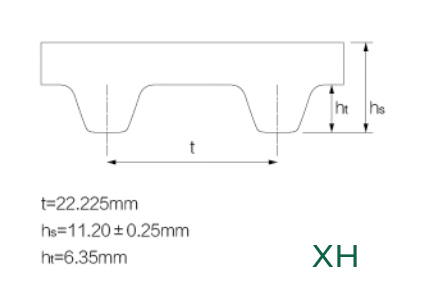
| XH | 22.225mm | 11.20±0.25mm | 6.35mm | Click For Details |
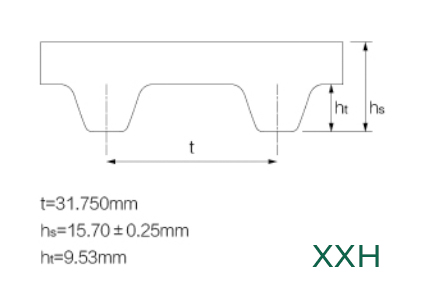
| XXH | 31.750mm | 15.70±0.25mm | 9.53mm | Click For Details |
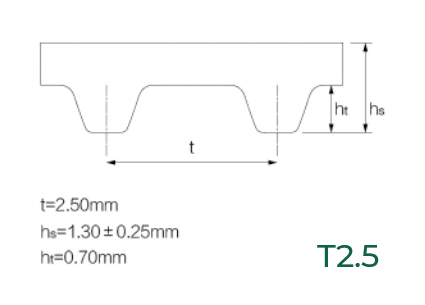
| T2.5 | 2.50mm | 1.30±0.25mm | 0.70mm | Click For Details |
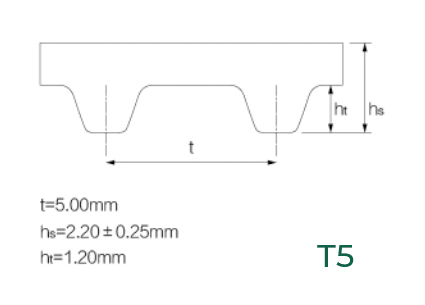
| T5 | 5.00mm | 2.20±0.25mm | 1.20mm | Click For Details |
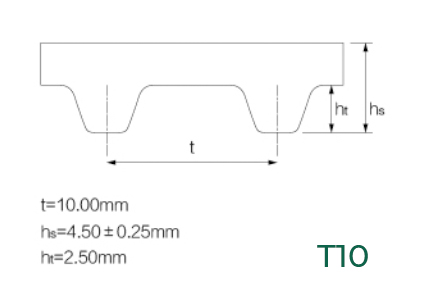
| T10 | 10.00mm | 4.50±0.25mm | 2.50mm | Click For Details |
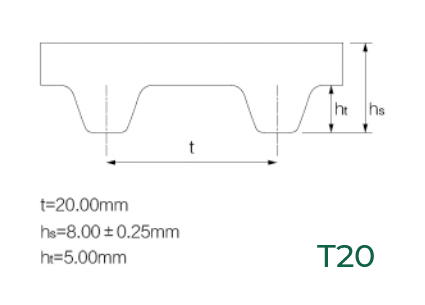
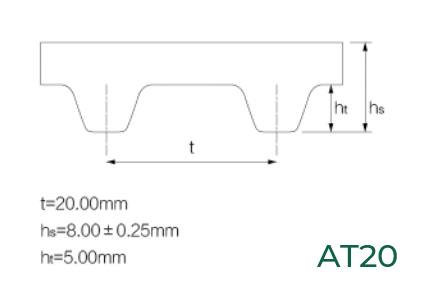
| T20 | 20.00mm | 8.00±0.25mm | 5.00mm | Click For Details |
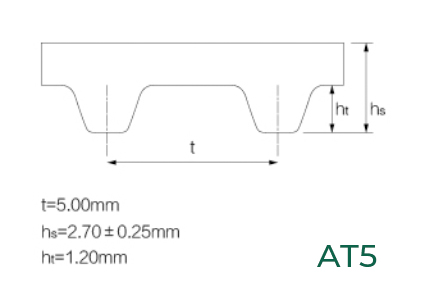
| AT5 | 5.00mm | 2.70±0.25mm | 1.20mm | Click For Details |
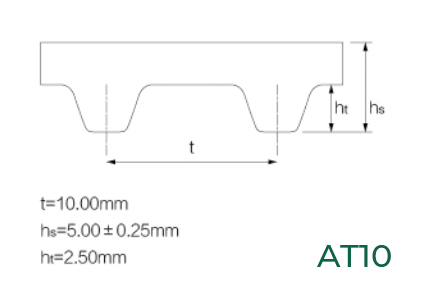
| AT10 | 10.00mm | 5.00±0.25mm | 2.50mm | Click For Details |
| AT20 | 20.00mm | 8.00±0.25mm | 5.00mm | Click For Details |


+86-510-82113539
Shirley: +86-18906170683
Got questions? Call us 24/7

[email protected]
Contact us now for a quote

No.99 Fu Rong Zhong San Rd, Xishan District Economic and Technological Development Zones Wuxi City, Jiangsu, China
Copyright © Wuxi KUEISN Transmission Equipment Co.,Ltd.All Rights Reserved. OEM Industrial Timing Belt and Synchronous Pulley Manufacturer
