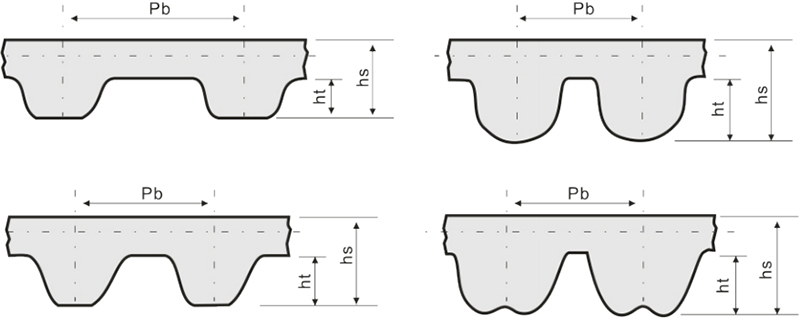
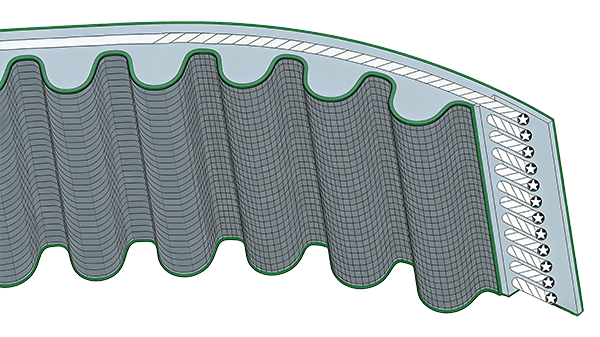
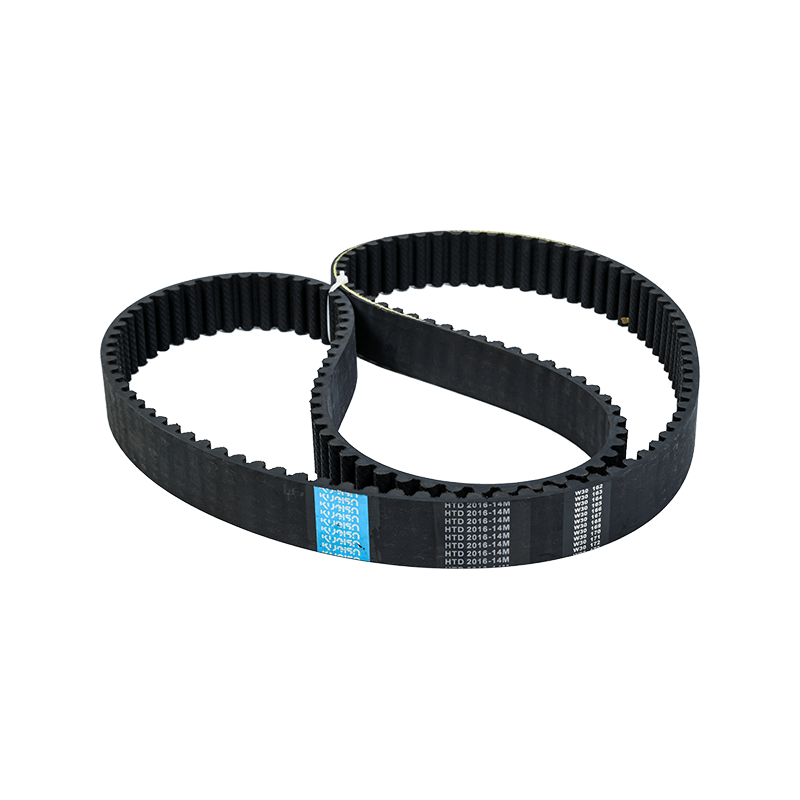
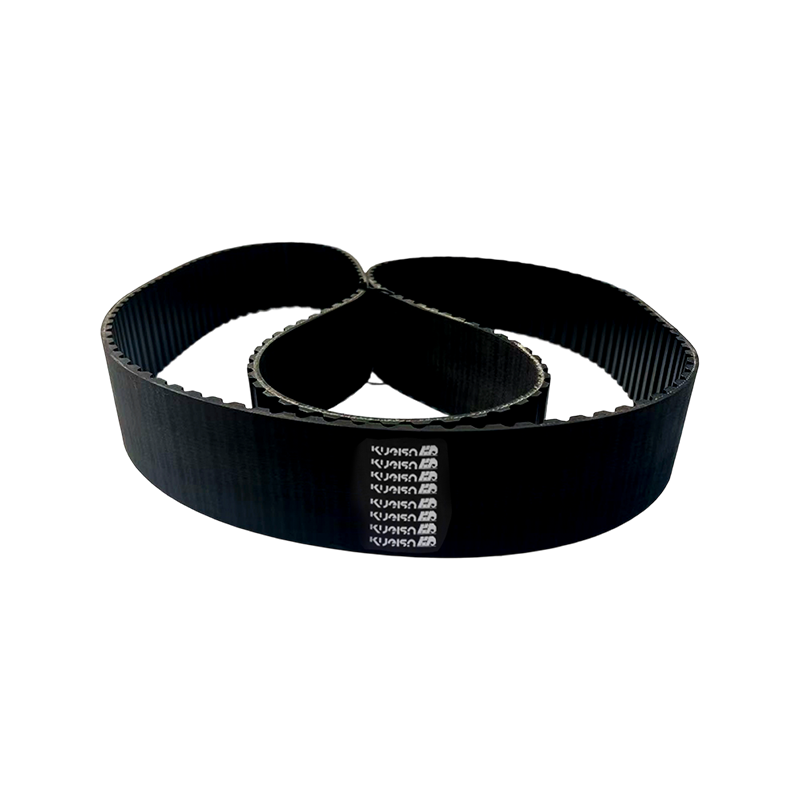
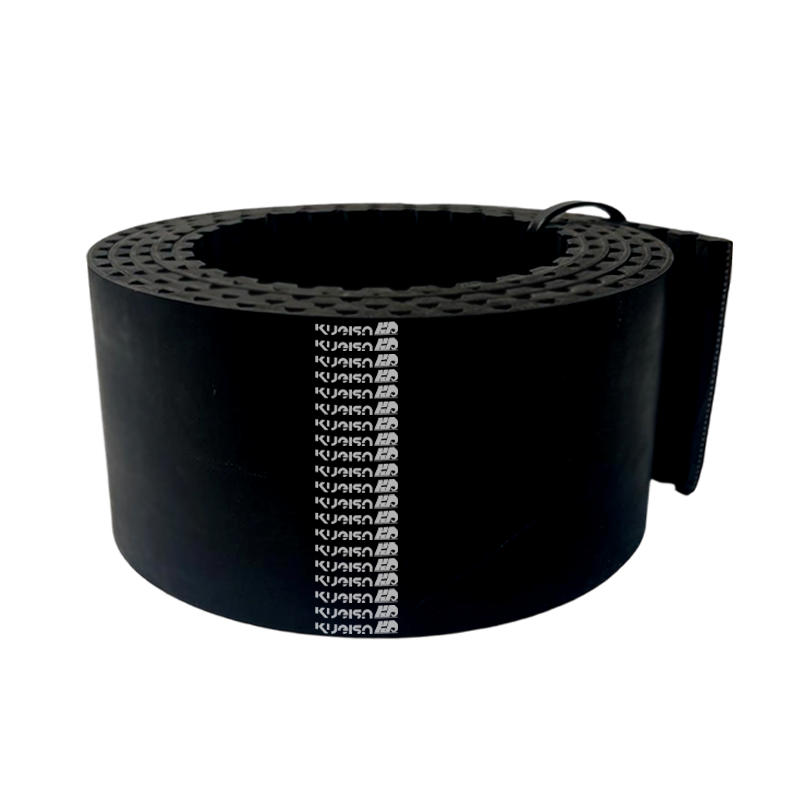
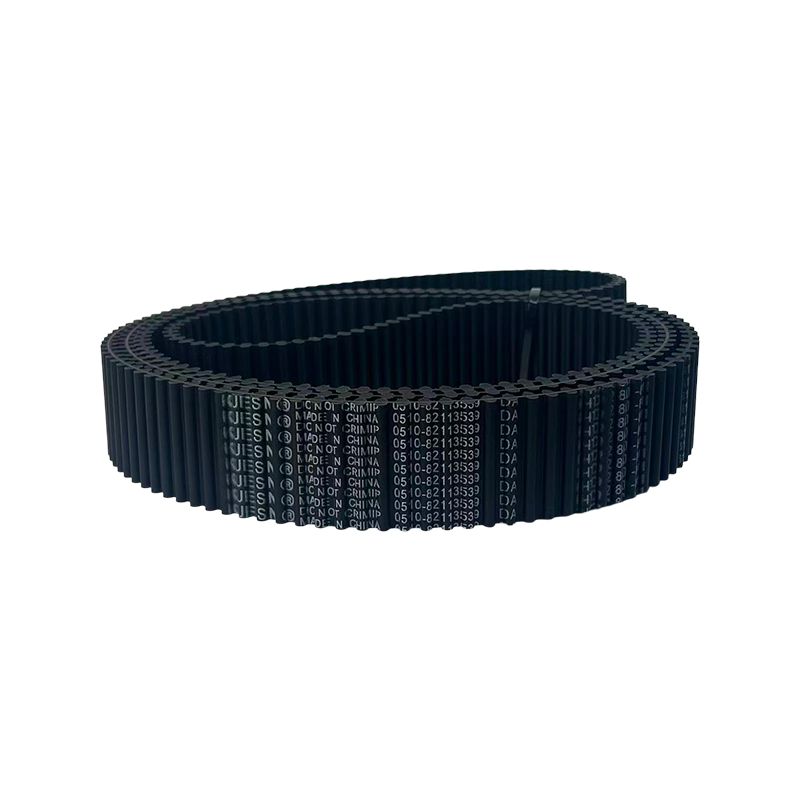
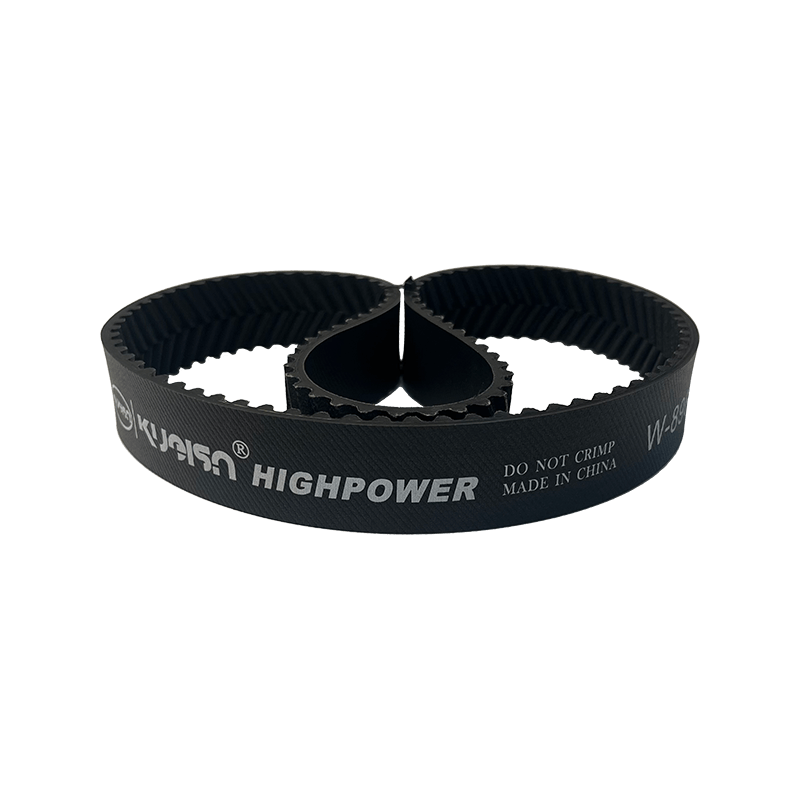
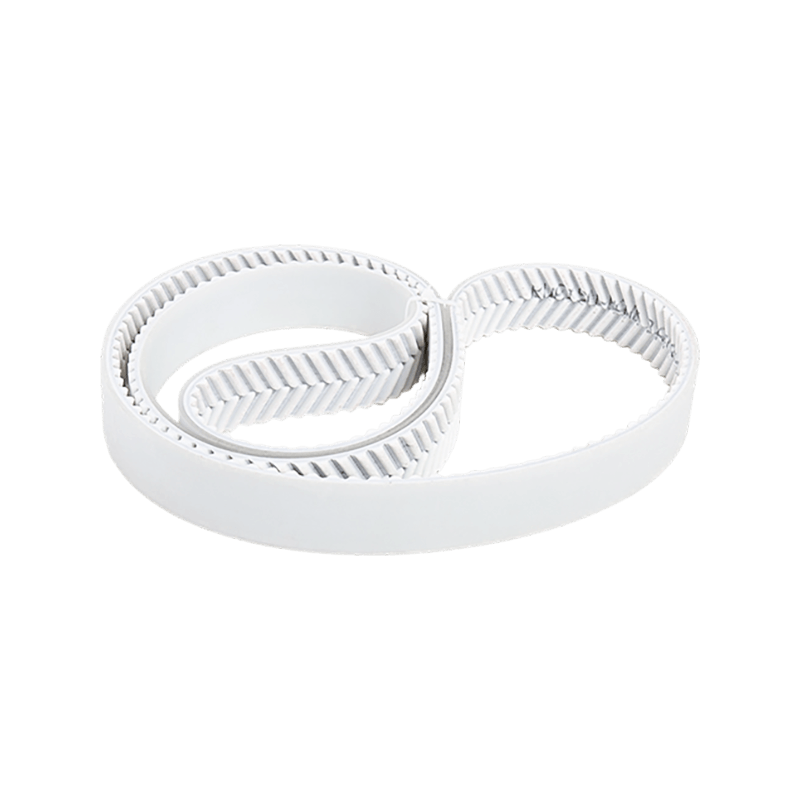
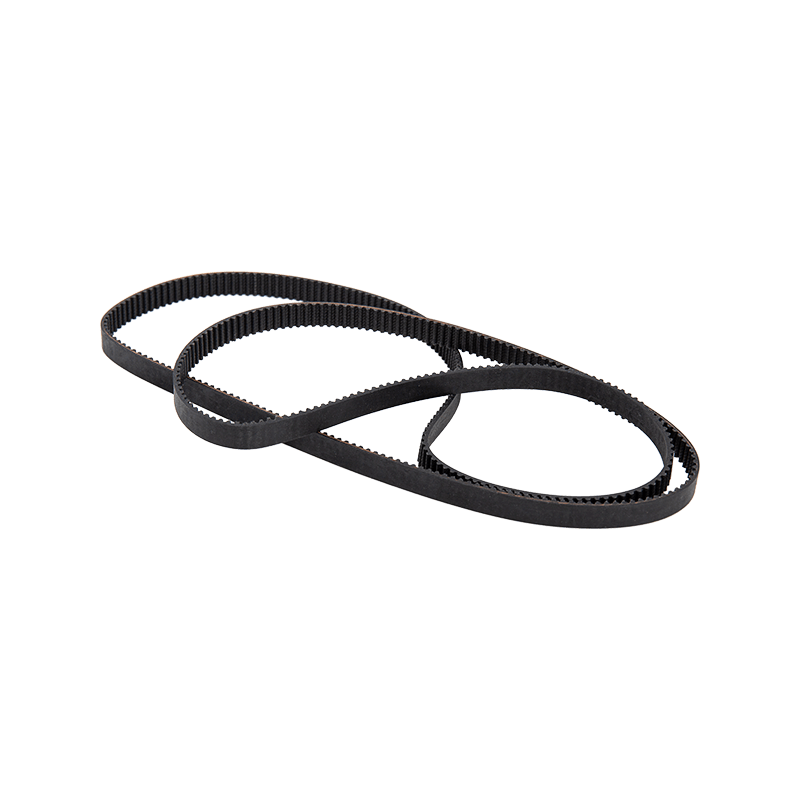
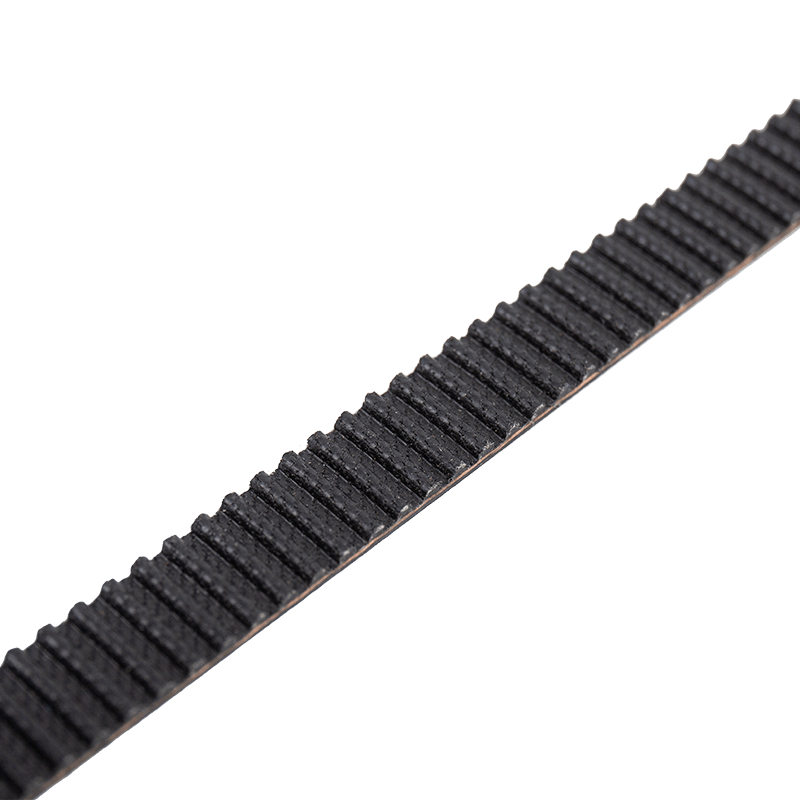
Car timing belts is a core transmission component in the engine's valvetrain system, responsible for precisely synchronizing the rotation of the crankshaft and camshaft. Its product advantages, core selling points, and application scenarios are detailed below:
Core Product Advantages
The advantages of a timing belt stem from its material properties (rubber base + fiber reinforcement) and structural design (toothed transmission). Compared to traditional timing chains, it offers irreplaceable performance characteristics in specific scenarios. These characteristics can be broken down into five key points:
Extremely high transmission precision ensures engine valvetrain efficiency
Low operating noise improves driving comfort
Lightweight design reduces engine load
No lubrication required, simplifying engine structure
Controllable costs, suitable for economy models
The core value of automotive timing belts lies in "providing a precise, quiet, and lightweight transmission solution that meets the needs of family and commercial vehicles at a lower cost." Their advantages and selling points perfectly align with the dual needs of "cost reduction for automakers" and "peace of mind for owners." Consequently, they maintain a dominant position in the global family sedan, compact SUV, MPV, and commercial minivan segments. Although the timing chain has the advantage of "long life", the timing belt is still the preferred transmission component for non-extremely high-load engines due to its irreplaceable advantages of "noise, cost, and light weight".



 English
 Português
 Indonesia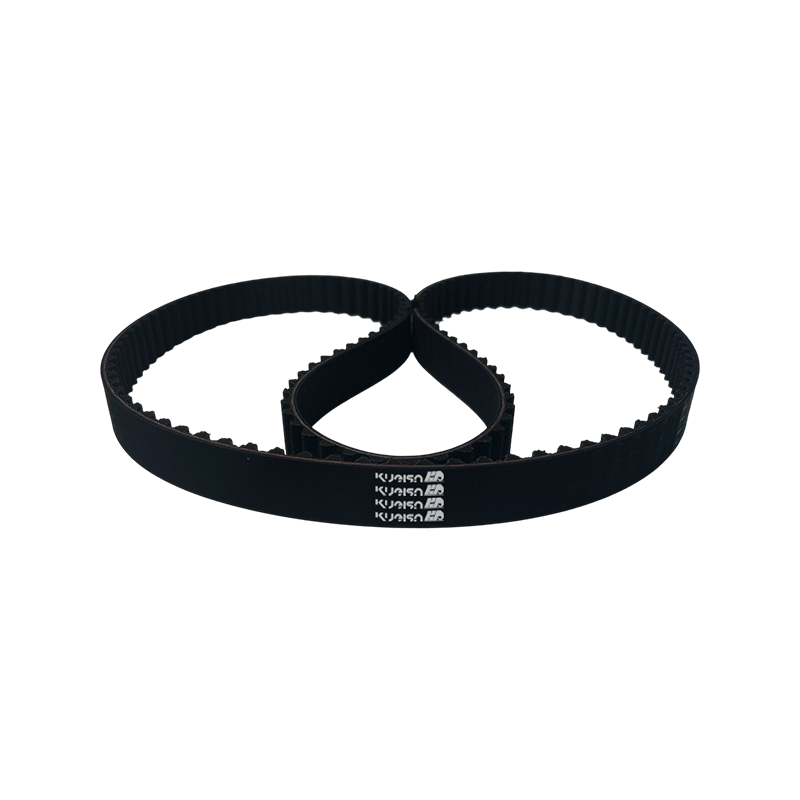
 From the dual perspectives of "automaker design needs" and "owner user needs," the selling points of a timing belt should focus on the three core values of "cost reduction, quality improvement, and peace of mind." Specifically, they are as follows:
 "Low design cost" aligns with automakers' economical positioning
 "Low operating noise" addresses the comfort pain points of owners. "Clear maintenance cycles" reduce decision-making costs for car owners.
 "High adaptability" covers a wide range of engine types.
 "Proven reliability" alleviates quality concerns for car owners.