


 English
 Português
 Indonesia
Submit feedback
Category
Industrial Conveyor & Flat Belt Manufacturer
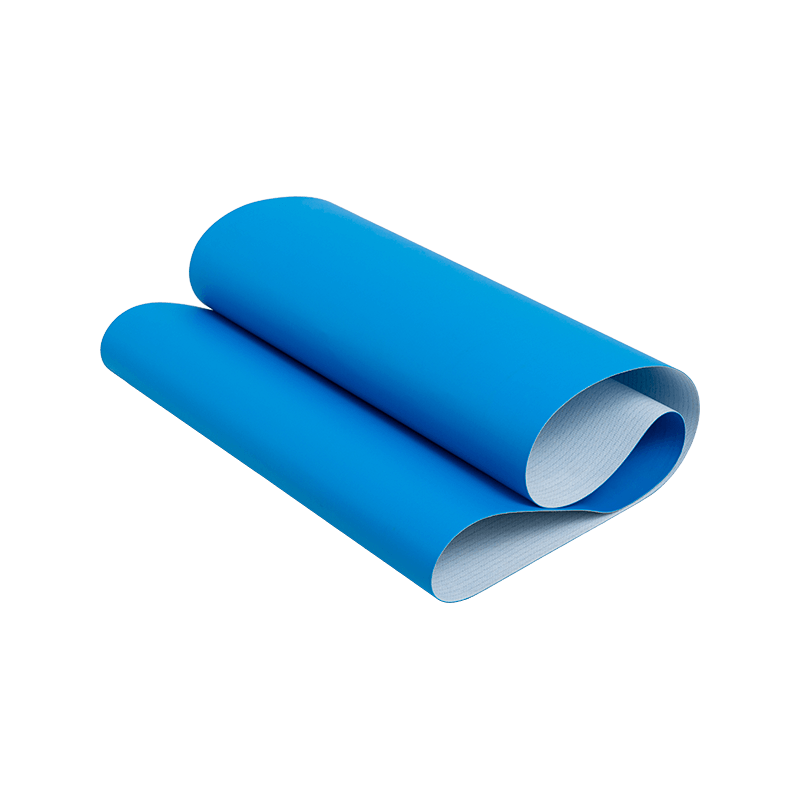
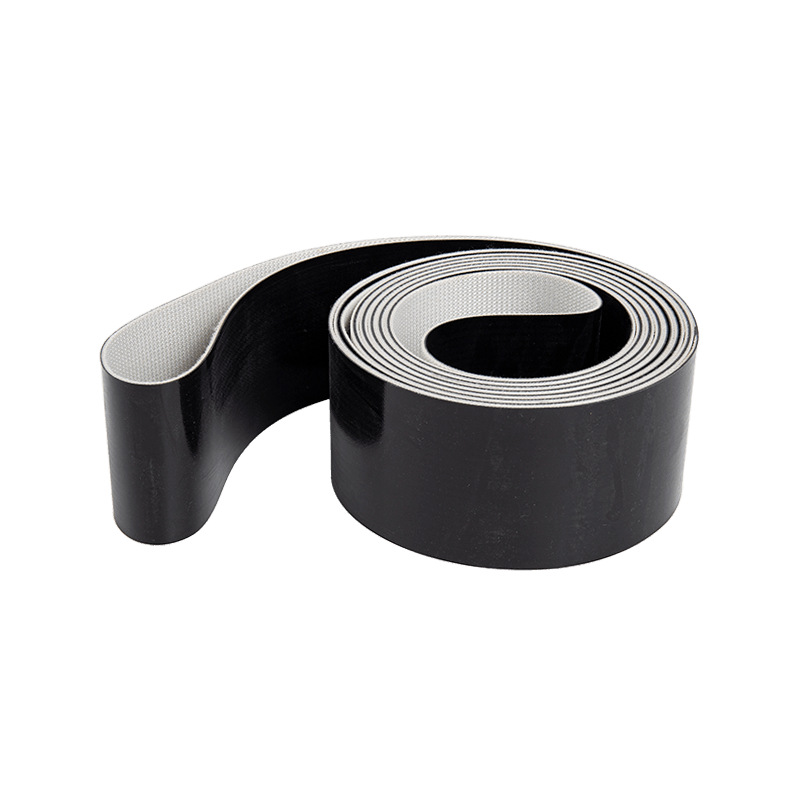
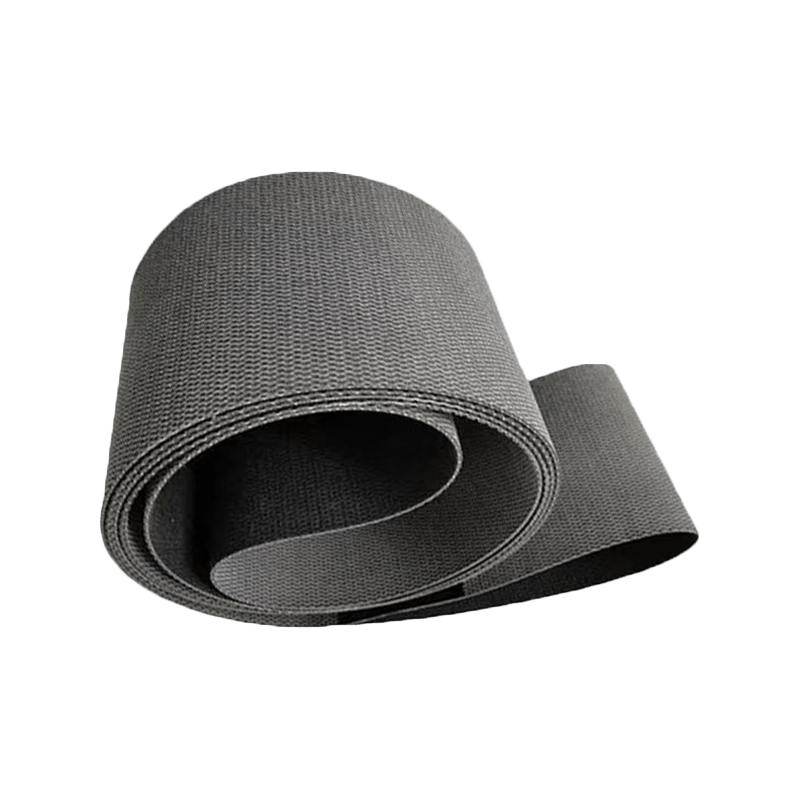
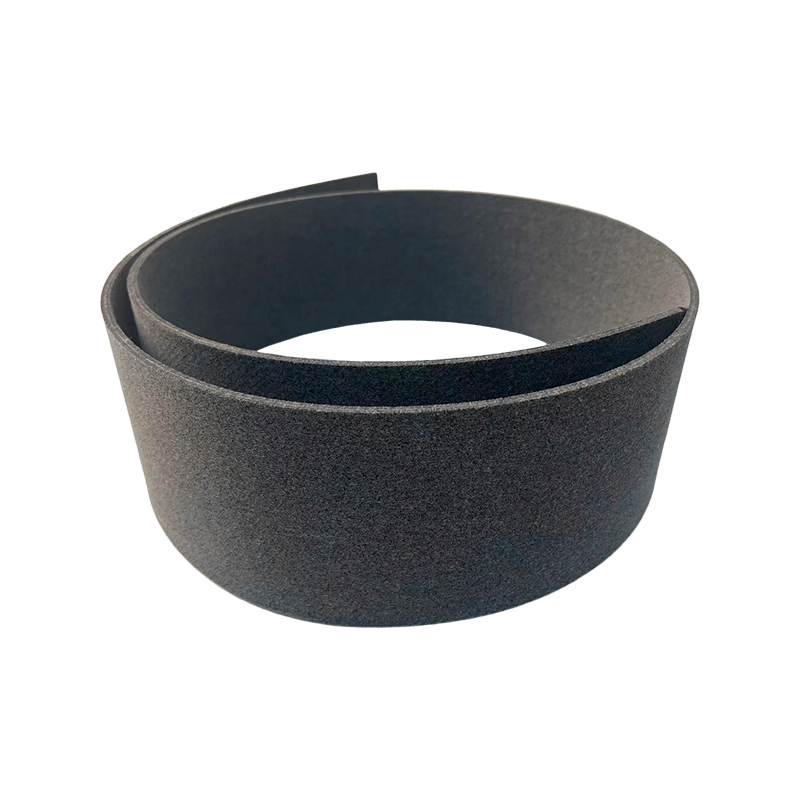
A conveyor belt is a flexible belt-like conveying element used for continuous material transport. It typically works in conjunction with the conveyor's drive unit, rollers, and tensioning devices to achieve efficient and stable material transfer in horizontal, inclined, or vertical directions. Essentially, it serves as the critical link between the "material origin" and the "processing/storage/transportation destination." By replacing manual handling with mechanized methods, it significantly improves logistics efficiency and is widely used in industrial production, logistics warehousing, resource extraction, and other fields.
Core Advantages
Compared to traditional material transport methods such as manual handling and forklift transfer, conveyor belts offer irreplaceable advantages, embodied in the three key dimensions of "efficiency, cost, and stability":
Efficient and continuous conveying, breaking through the limitations of human labor
Reduced overall costs and resource consumption
Adaptability to complex working conditions, improving operational stability
Main Application Areas
Conveyor belts are used throughout the entire supply chain: "resource extraction – industrial production – logistics distribution – public services." Specific scenarios are as follows:
1. Resource extraction and processing
2. Manufacturing
3. Logistics and warehousing
4. Other public services and specialized fields

Contact
-

+86-510-82113539
Shirley: +86-18906170683
Got questions? Call us 24/7 -

[email protected]
Contact us now for a quote -

No.99 Fu Rong Zhong San Rd, Xishan District Economic and Technological Development Zones Wuxi City, Jiangsu, China
Copyright © Wuxi KUEISN Transmission Equipment Co.,Ltd.All Rights Reserved. Custom Industrial Conveyor & Flat Belt Manufacturer
