


 English
 Português
 Indonesia
Click on the image to view our specific parameters!
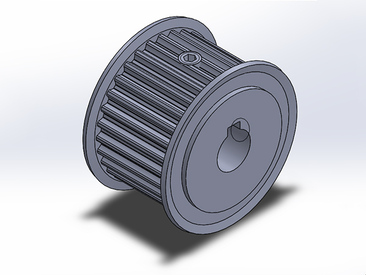
3M
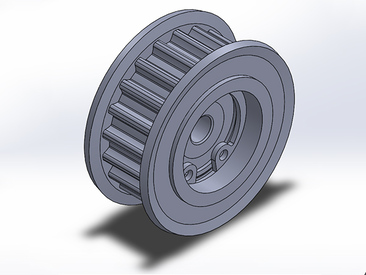
5M
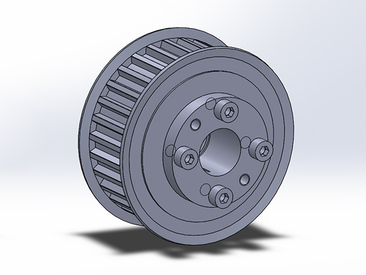
8M
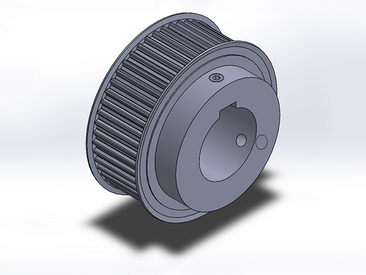
14M
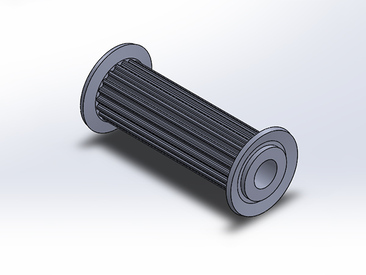
MXL
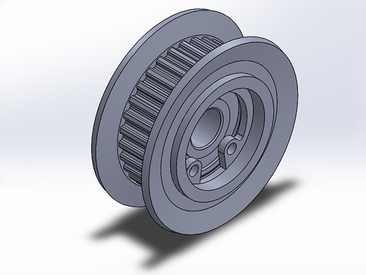
XL
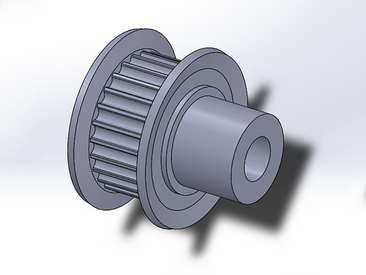
2GT
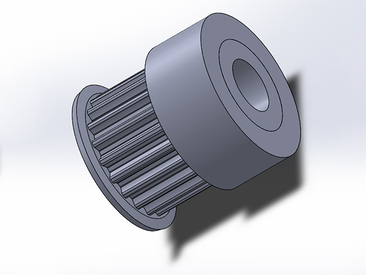
3GT
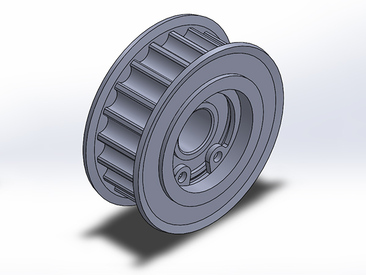
5GT
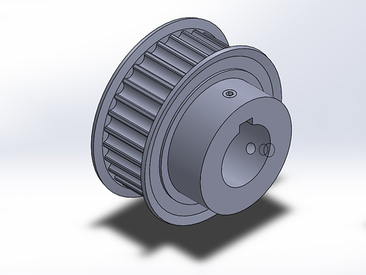
8YU
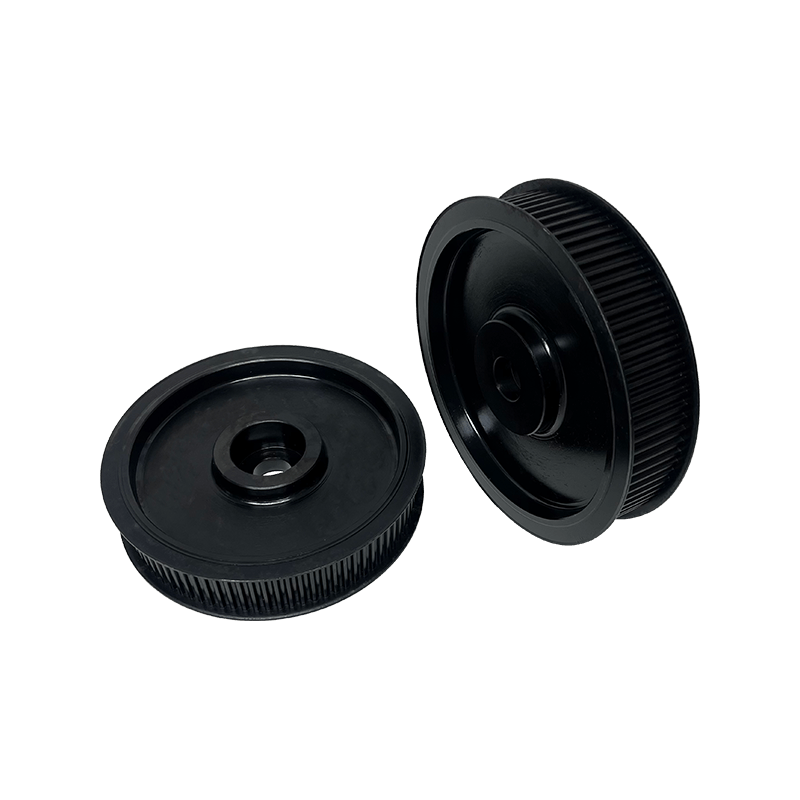
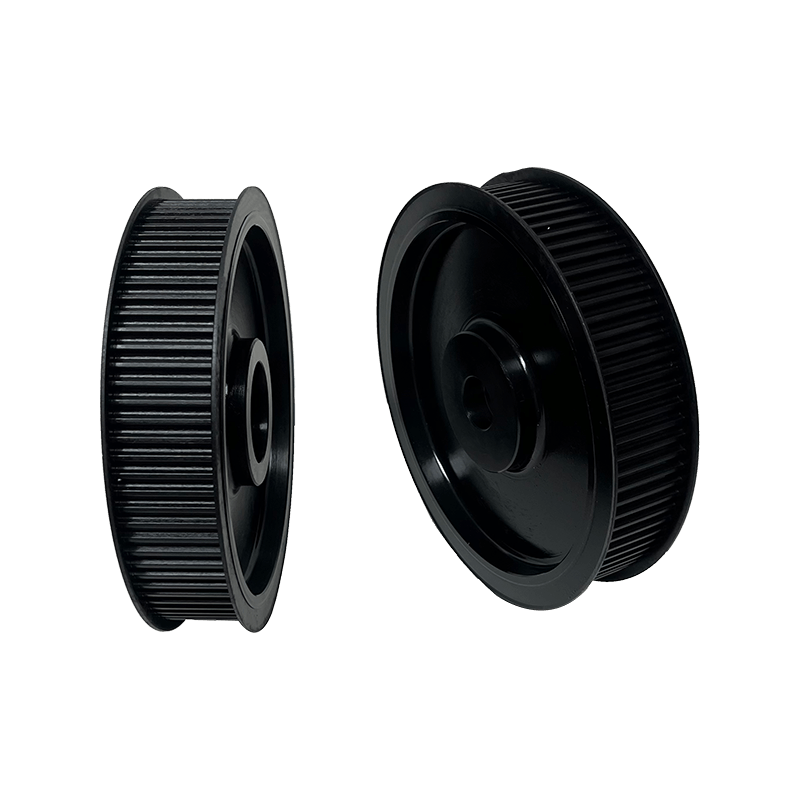
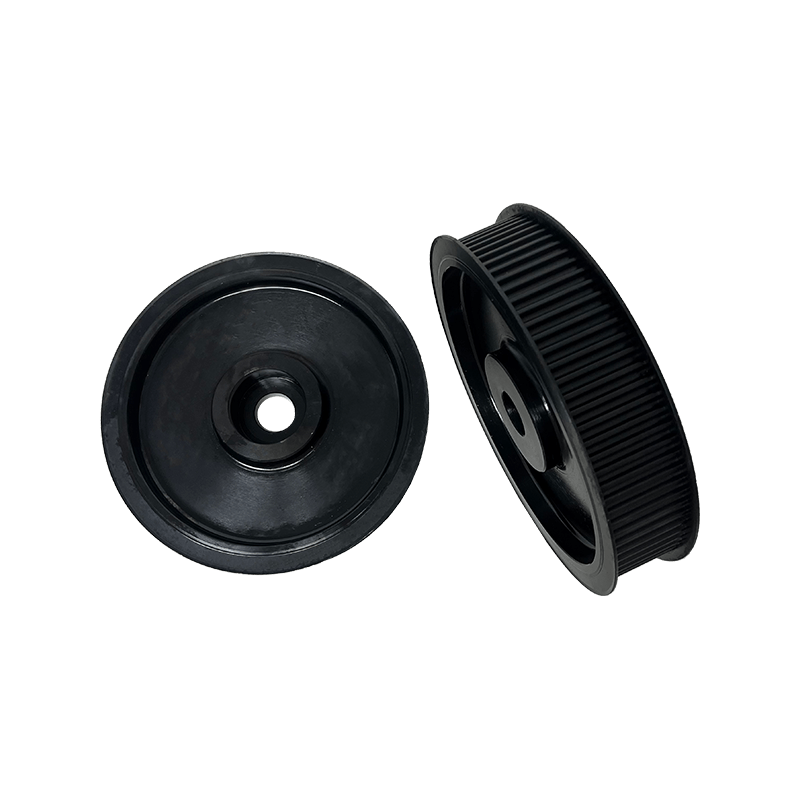
The core advantage of synchronous pulleys is their ability to precisely mesh with the synchronous belt, achieving zero-slip, constant-ratio transmission. They are key components for ensuring accurate equipment operation and are widely used in applications requiring high synchronization.
Product Advantages
Extremely High Transmission Precision: Through the precise meshing of the pulley teeth with the synchronous belt teeth, there is zero slip during transmission, and the transmission ratio error can be controlled within 0.1%, ensuring strict synchronization of the speeds of the driving and driven pulleys.
Stable Transmission Efficiency: Meshing transmission eliminates the energy loss associated with friction transmission, with efficiencies generally ranging from 98% to 99.5%. Long-term efficiency degradation is minimal, making them more energy-efficient than chain drives.
Smooth and Low-Noise Operation: Meshing transmission is impact-free, friction-free, and vibration-free. Combined with the flexible material of the synchronous belt, overall noise levels are significantly lower than those of gear and chain drives.
Low Maintenance: There is no need for regular lubrication or tension adjustments, as with chains. Pulley materials (such as aluminum alloy and steel) are highly wear-resistant, with a service life of 5-10 years.
Key Selling Points
Adaptability: The tooth profile, number of teeth, and aperture can be customized based on the synchronous belt model (such as T-type, AT-type, and H-type), matching equipment with varying power and speeds, from small household appliances to large industrial machinery.
Compact and Space-Saving: Compared to gear drives, synchronous belt pulley drives require a larger center distance and eliminate the need for complex reduction mechanisms, simplifying equipment structure and saving installation space.
Cushioning and Shock-Reducing Protection: The elasticity of the synchronous belt absorbs shock and vibration during transmission, avoiding direct, rigid connection between the pulley and the motor and load, minimizing damage to core components.
Environmental Compatibility: A wide range of materials are available, including aluminum alloy (lightweight and rust-resistant), carbon steel (high-strength), and stainless steel (corrosion-resistant). It operates stably in a variety of environments, including dusty, humid, and ambient temperatures (-20°C to 80°C).
Main Applications:
Automation equipment, such as robotic arms, linear modules, and conveyor belts, requires synchronous pulleys to ensure precise synchronization and avoid positioning errors.
Printing and packaging machinery: The roller drive of printing presses and the sealing mechanism of packaging machines rely on the constant-ratio transmission of synchronous pulleys to ensure printed pattern alignment and accurate package dimensions.
Automotive and new energy sectors: The timing systems of automobile engines and the drive motors of new energy vehicles require synchronous pulleys to ensure accurate valve opening and closing timing and stable power transmission.
Office and home appliances: The paper feed mechanisms of printers, the roller drives of copiers, and the roller drives of treadmills utilize their low noise and high precision to enhance the user experience.
Medical equipment: For example, infusion pumps and blood analyzers, the precise transmission of synchronous pulleys ensures minimal operating errors, preventing distorted medical test results.
Key Selling Points
 Adaptability: The tooth profile, number of teeth, and aperture can be customized based on the synchronous belt model (such as T-type, AT-type, and H-type), matching equipment with varying power and speeds, from small household appliances to large industrial machinery.
 Compact and Space-Saving: Compared to gear drives, synchronous belt pulley drives require a larger center distance and eliminate the need for complex reduction mechanisms, simplifying equipment structure and saving installation space.
 Cushioning and Shock-Reducing Protection: The elasticity of the synchronous belt absorbs shock and vibration during transmission, avoiding direct, rigid connection between the pulley and the motor and load, minimizing damage to core components.
 Environmental Compatibility: A wide range of materials are available, including aluminum alloy (lightweight and rust-resistant), carbon steel (high-strength), and stainless steel (corrosion-resistant). It operates stably in a variety of environments, including dusty, humid, and ambient temperatures (-20°C to 80°C).
Click on the image to view our specific parameters!
3M
5M
8M
14M
MXL
XL
2GT
3GT
5GT
8YU
The core advantage of synchronous pulleys is their ability to precisely mesh with the synchronous belt, achieving zero-slip, constant-ratio transmission. They are key components for ensuring accurate equipment operation and are widely used in applications requiring high synchronization.
Product Advantages
Extremely High Transmission Precision: Through the precise meshing of the pulley teeth with the synchronous belt teeth, there is zero slip during transmission, and the transmission ratio error can be controlled within 0.1%, ensuring strict synchronization of the speeds of the driving and driven pulleys.
Stable Transmission Efficiency: Meshing transmission eliminates the energy loss associated with friction transmission, with efficiencies generally ranging from 98% to 99.5%. Long-term efficiency degradation is minimal, making them more energy-efficient than chain drives.
Smooth and Low-Noise Operation: Meshing transmission is impact-free, friction-free, and vibration-free. Combined with the flexible material of the synchronous belt, overall noise levels are significantly lower than those of gear and chain drives.
Low Maintenance: There is no need for regular lubrication or tension adjustments, as with chains. Pulley materials (such as aluminum alloy and steel) are highly wear-resistant, with a service life of 5-10 years.
Key Selling Points
Adaptability: The tooth profile, number of teeth, and aperture can be customized based on the synchronous belt model (such as T-type, AT-type, and H-type), matching equipment with varying power and speeds, from small household appliances to large industrial machinery.
Compact and Space-Saving: Compared to gear drives, synchronous belt pulley drives require a larger center distance and eliminate the need for complex reduction mechanisms, simplifying equipment structure and saving installation space.
Cushioning and Shock-Reducing Protection: The elasticity of the synchronous belt absorbs shock and vibration during transmission, avoiding direct, rigid connection between the pulley and the motor and load, minimizing damage to core components.
Environmental Compatibility: A wide range of materials are available, including aluminum alloy (lightweight and rust-resistant), carbon steel (high-strength), and stainless steel (corrosion-resistant). It operates stably in a variety of environments, including dusty, humid, and ambient temperatures (-20°C to 80°C).
Main Applications:
Automation equipment, such as robotic arms, linear modules, and conveyor belts, requires synchronous pulleys to ensure precise synchronization and avoid positioning errors.
Printing and packaging machinery: The roller drive of printing presses and the sealing mechanism of packaging machines rely on the constant-ratio transmission of synchronous pulleys to ensure printed pattern alignment and accurate package dimensions.
Automotive and new energy sectors: The timing systems of automobile engines and the drive motors of new energy vehicles require synchronous pulleys to ensure accurate valve opening and closing timing and stable power transmission.
Office and home appliances: The paper feed mechanisms of printers, the roller drives of copiers, and the roller drives of treadmills utilize their low noise and high precision to enhance the user experience.
Medical equipment: For example, infusion pumps and blood analyzers, the precise transmission of synchronous pulleys ensures minimal operating errors, preventing distorted medical test results.
Main Applications:
Automation equipment, such as robotic arms, linear modules, and conveyor belts, requires synchronous pulleys to ensure precise synchronization and avoid positioning errors.
Printing and packaging machinery: The roller drive of printing presses and the sealing mechanism of packaging machines rely on the constant-ratio transmission of synchronous pulleys to ensure printed pattern alignment and accurate package dimensions.
Automotive and new energy sectors: The timing systems of automobile engines and the drive motors of new energy vehicles require synchronous pulleys to ensure accurate valve opening and closing timing and stable power transmission.
Office and home appliances: The paper feed mechanisms of printers, the roller drives of copiers, and the roller drives of treadmills utilize their low noise and high precision to enhance the user experience.
Medical equipment: For example, infusion pumps and blood analyzers, the precise transmission of synchronous pulleys ensures minimal operating errors, preventing distorted medical test results.
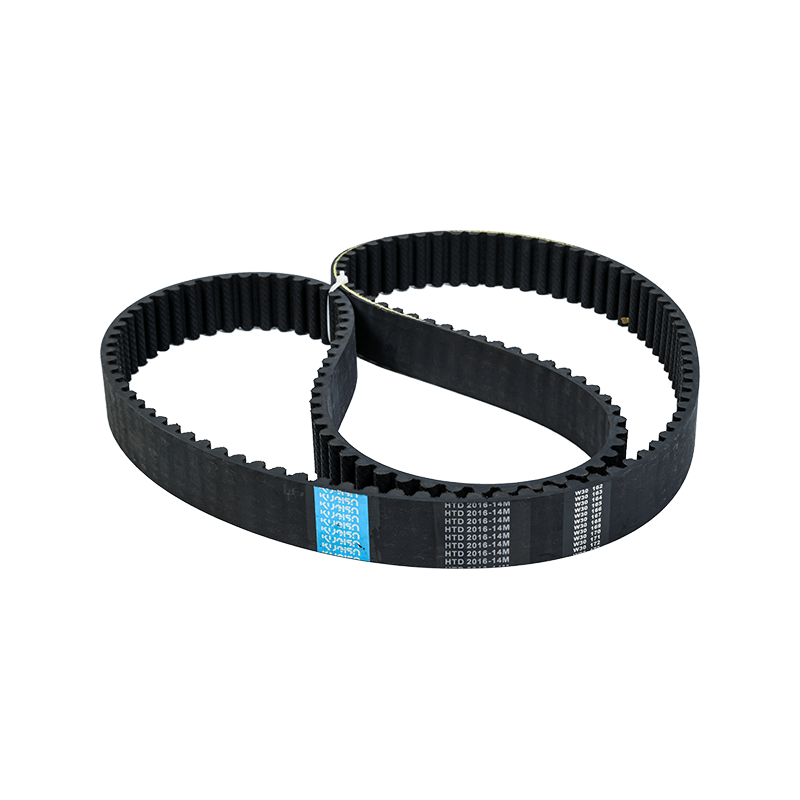
Model t hs ht Other Product Details 3M 3.00mm 2.40±0.25mm 1.22mm Click For Detai...
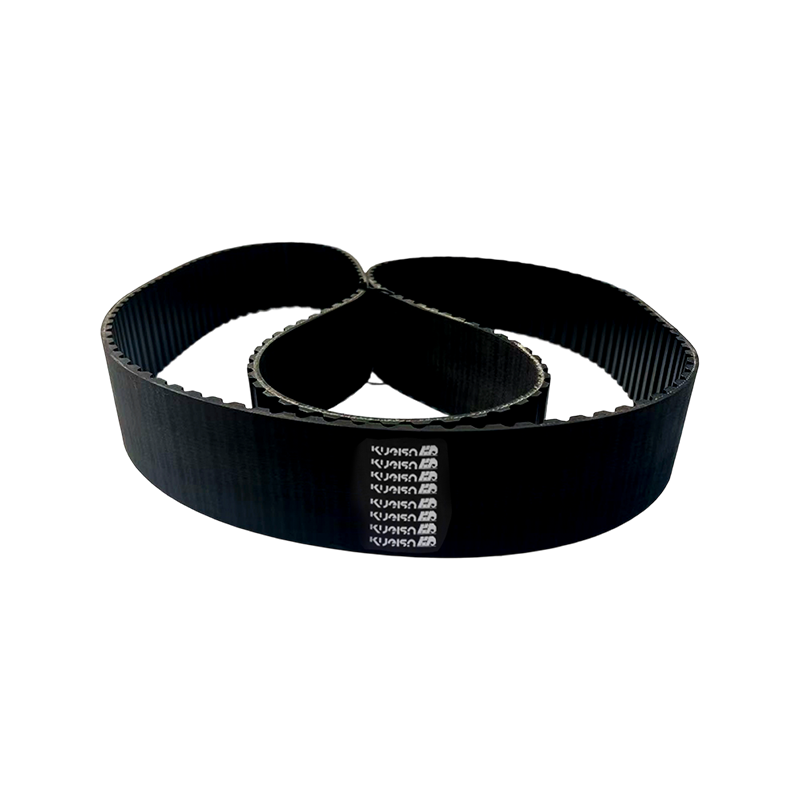
Model t hs ht Other Product Details MXL 2.032mm 1.14±0.25mm 0.51mm Click For Det...
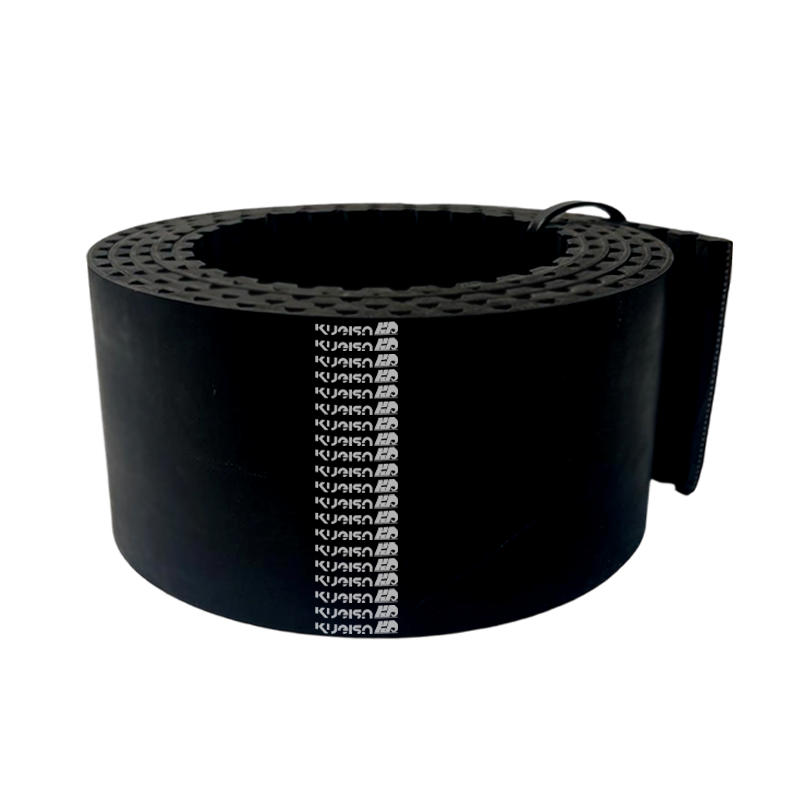
Item Trapezoidal Teeth Arc Teeth MX L XL XXL L H XH XXH T2.5 T5 AT5 T10 AT10 T20...
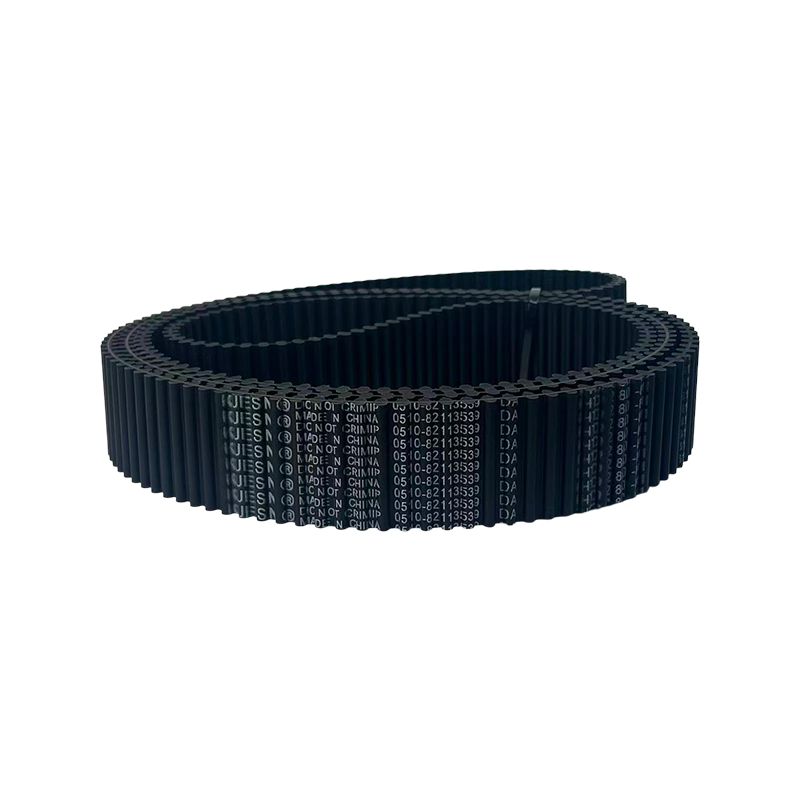
Model W T Other Product Details D-XL 0.508 3.05 Click For Details D-L 0.762 4.58...
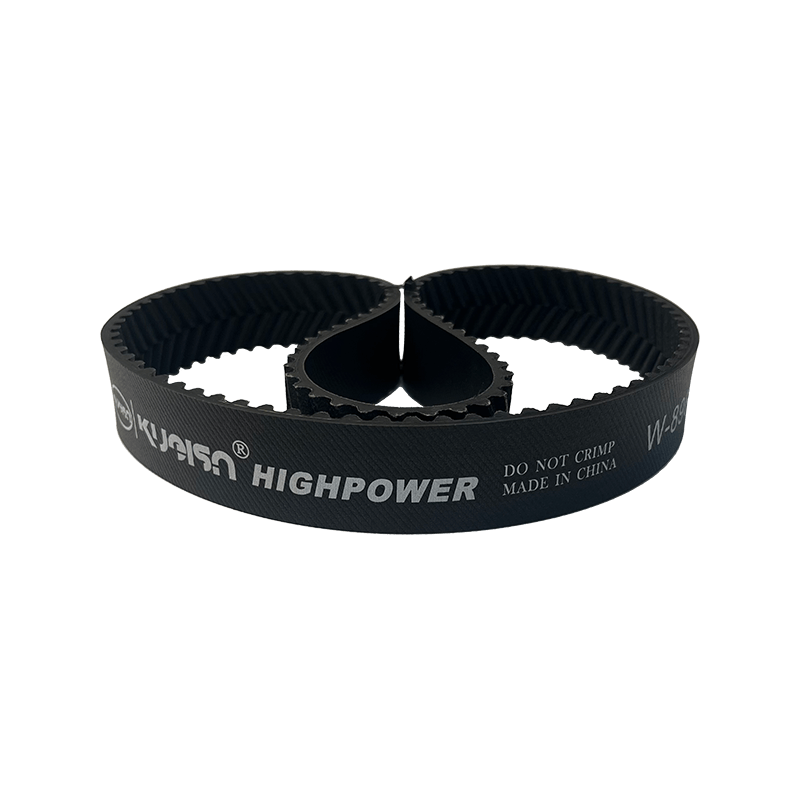
Marker W(mm) P(mm) Th(mm) H(mm) Y-8M 16 8 533 305 W-8M 32 8 533 305 P-8M 64 ...
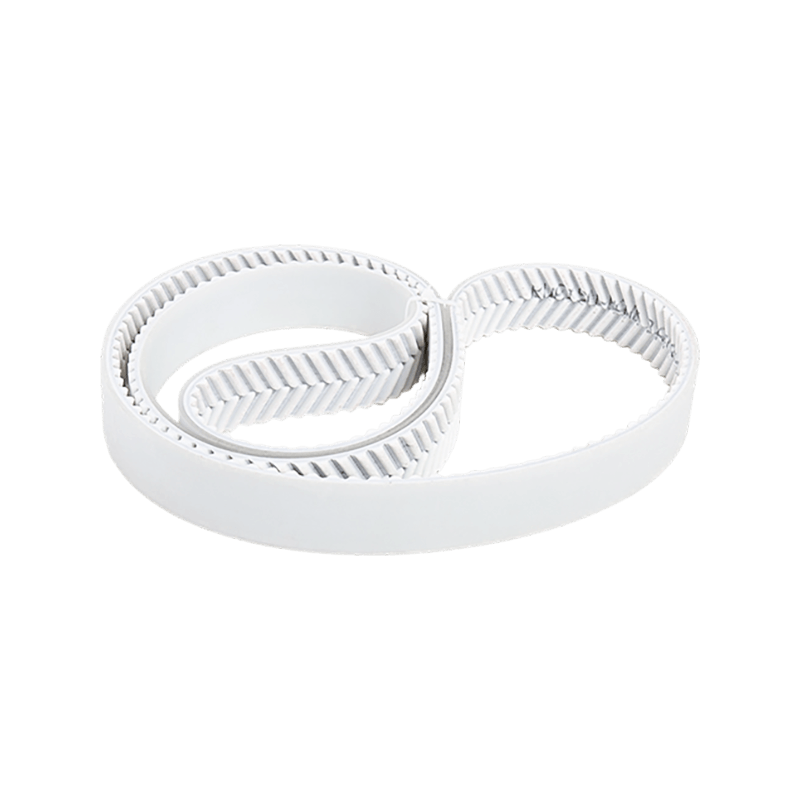
Model t hs ht Other Product Details EAGLE 5M 5 1.9 3.6 Click For Details EAGLE 8...
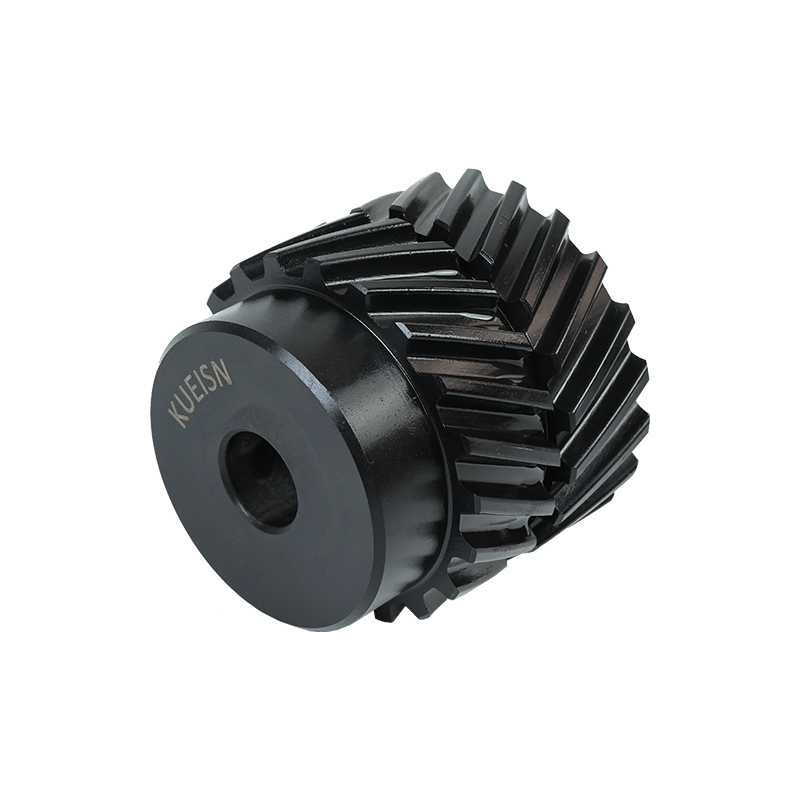
EAGLE 5MEAGLE 8MEAGLE 10MEAGLE 14M
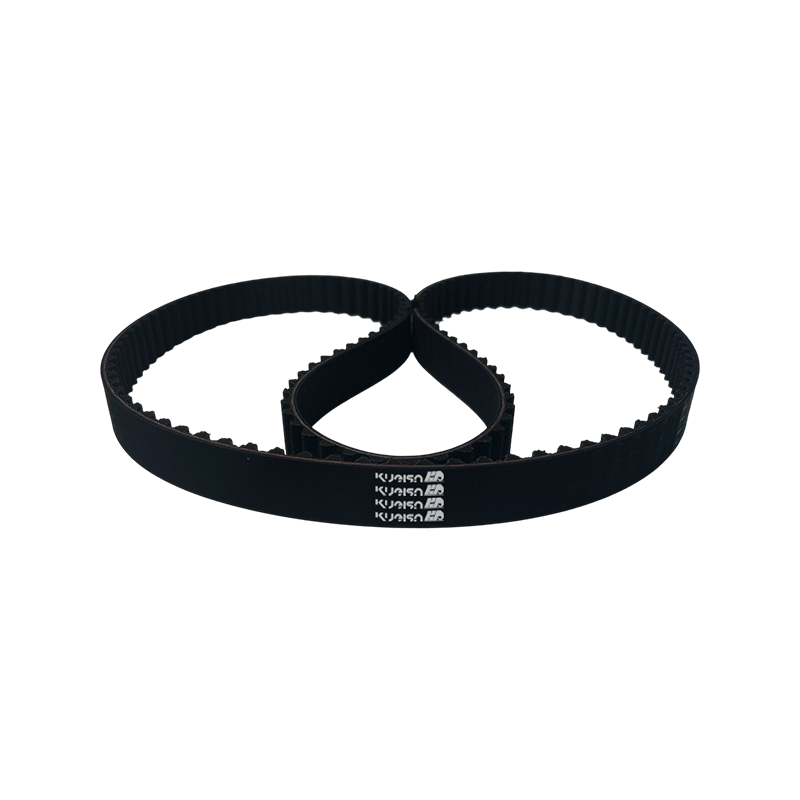
Materials: CR/HNBR Type Pb ht hs MR 9.525 3.54 5.69 MY 8.00 3.06 5.21 YU ...


+86-510-82113539
Shirley: +86-18906170683
Got questions? Call us 24/7

[email protected]
Contact us now for a quote

No.99 Fu Rong Zhong San Rd, Xishan District Economic and Technological Development Zones Wuxi City, Jiangsu, China
Copyright © Wuxi KUEISN Transmission Equipment Co.,Ltd.All Rights Reserved. OEM Industrial Timing Belt and Synchronous Pulley Manufacturer
