


 English
 Português
 Indonesia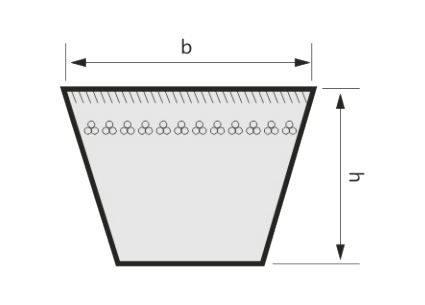
Material: EPDM
AUTO RAW EDGE V BELTS
Standardboard
|
Production Type |
Top Width |
Belt Thickness |
Angle |
|
AV10 |
10 |
8 |
36 |
|
AV13 |
13 |
8.9 |
36 |
|
AV15/AV17 |
16.5 |
11 |
36 |
|
AV20 |
21 |
13 |
36 |
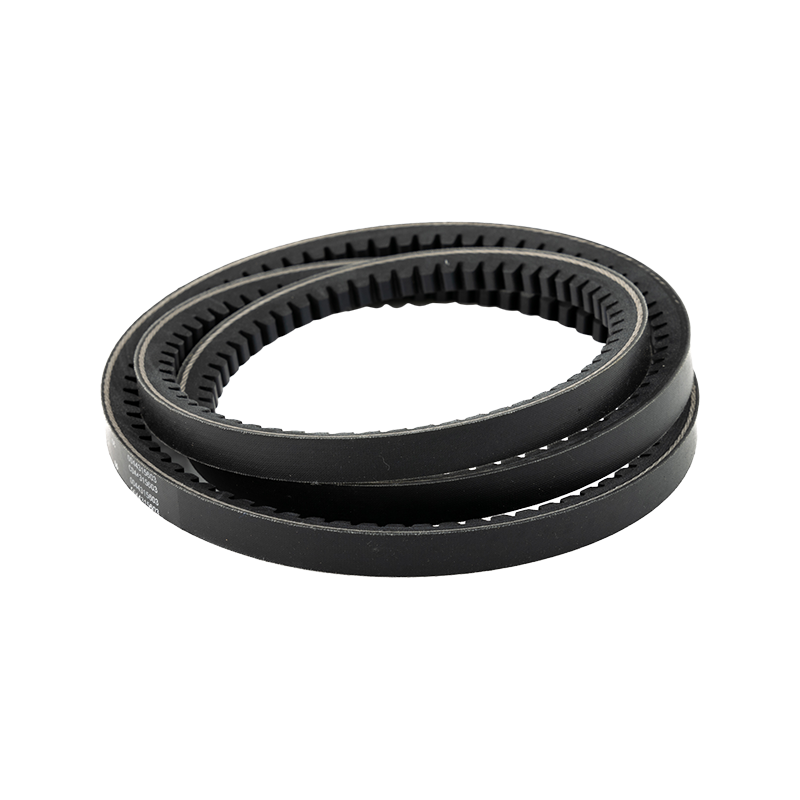
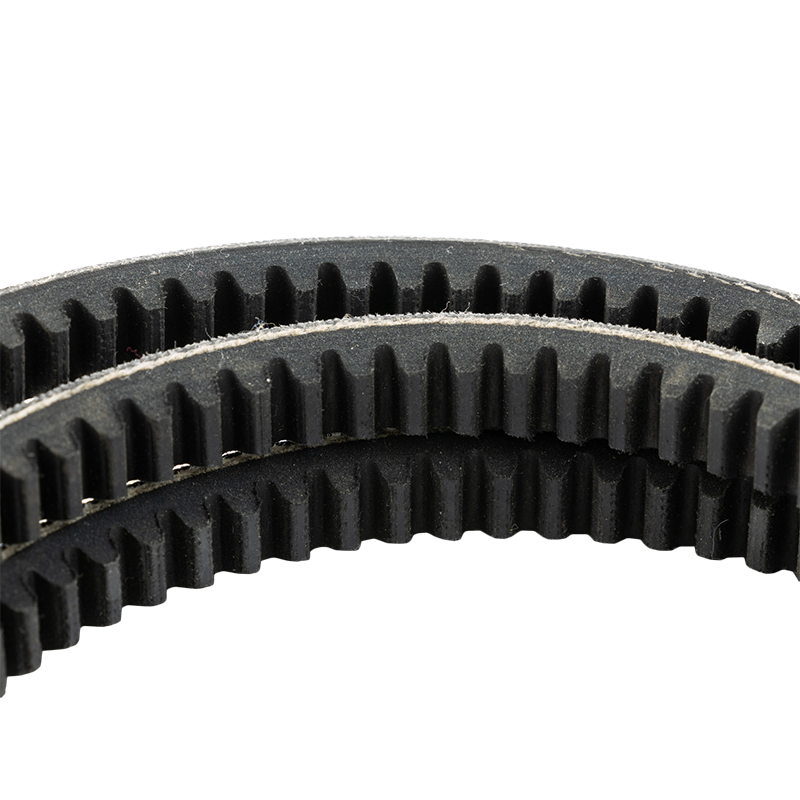
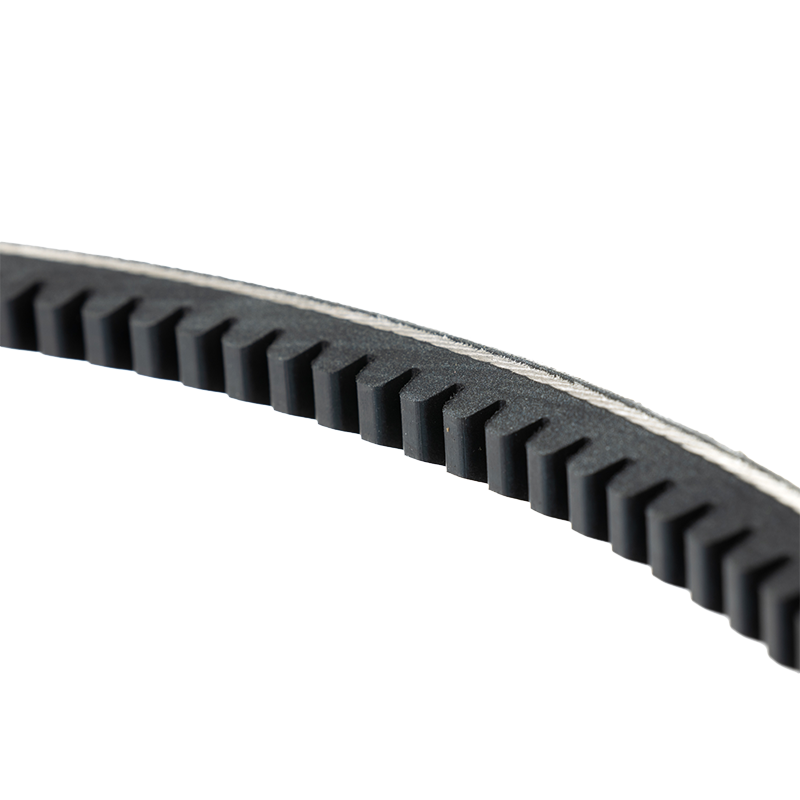
Car V-belts are core components in automotive transmission systems, primarily used to transmit engine power to auxiliary equipment such as air conditioning compressors, generators, water pumps, and power steering pumps. Their design and performance directly impact the stable operation of these auxiliary systems.
The following provides a detailed analysis from three perspectives: product advantages, core selling points, and typical applications.
I. Product Advantages of Automotive V-Belts
Automotive V-belts are designed for complex automotive operating conditions (high temperatures, vibration, oil contamination, and compact spaces). Their core advantages lie in the following three dimensions: reliability, adaptability, and economy:
Stable transmission efficiency and low power loss
Strong resistance to harsh operating conditions and long life
Compact structure and high adaptability
Low maintenance costs and high fault tolerance
Core Selling Points of Automotive V-Belts
The core selling points of automotive V-belts can be summarized in the following four points, directly aligned with the core appeal of "cost reduction, stability, and peace of mind":
Core Selling Points:
Value for Users
 High cost-performance and low overall cost. Manufacturing costs are lower than those of synchronous belts and multi-V belts, and they offer a long lifespan and require minimal maintenance.
 "Ready-to-install" for easy installation. Precise tooth alignment is unnecessary; simply adjust the tension with the tensioner and you're done.
 Adaptable to a wide range of operating conditions, with no significant limitations. Suitable for use in everything from low temperatures (-30°C winter startup) to high temperatures (high engine load), from family sedans (low load) to commercial vehicles (high load), with no significant limitations.
 Mature and reliable, with a low failure rate. With over half a century of technological iterations, the structure is mature and the process is stable. The probability of auxiliary system failure (such as air conditioning cooling failure or insufficient power generation) due to V-belt failure is extremely low.
Material: EPDM
AUTO RAW EDGE V BELTS
Standardboard
|
Production Type |
Top Width |
Belt Thickness |
Angle |
|
AV10 |
10 |
8 |
36 |
|
AV13 |
13 |
8.9 |
36 |
|
AV15/AV17 |
16.5 |
11 |
36 |
|
AV20 |
21 |
13 |
36 |
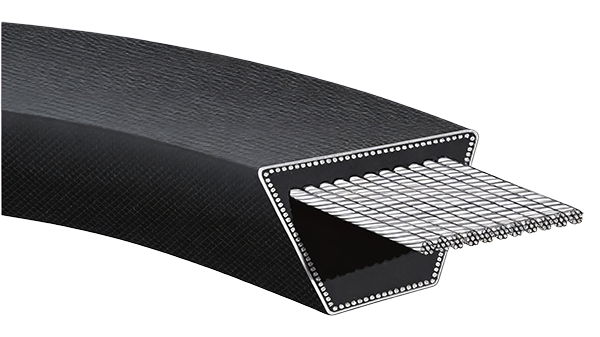
Car V-belts are core components in automotive transmission systems, primarily used to transmit engine power to auxiliary equipment such as air conditioning compressors, generators, water pumps, and power steering pumps. Their design and performance directly impact the stable operation of these auxiliary systems.
The following provides a detailed analysis from three perspectives: product advantages, core selling points, and typical applications.
I. Product Advantages of Automotive V-Belts
Automotive V-belts are designed for complex automotive operating conditions (high temperatures, vibration, oil contamination, and compact spaces). Their core advantages lie in the following three dimensions: reliability, adaptability, and economy:
Stable transmission efficiency and low power loss
Strong resistance to harsh operating conditions and long life
Compact structure and high adaptability
Low maintenance costs and high fault tolerance
Typical Applications of Automotive V-Belts
Automotive V-belts are primarily used for power transmission in engine auxiliary equipment, covering nearly all non-drive systems that rely on engine power, including:
Core Applications:
Driving the "Four Major Auxiliary Components"
Alternator
Air conditioning compressor
Water pump
Power steering pump
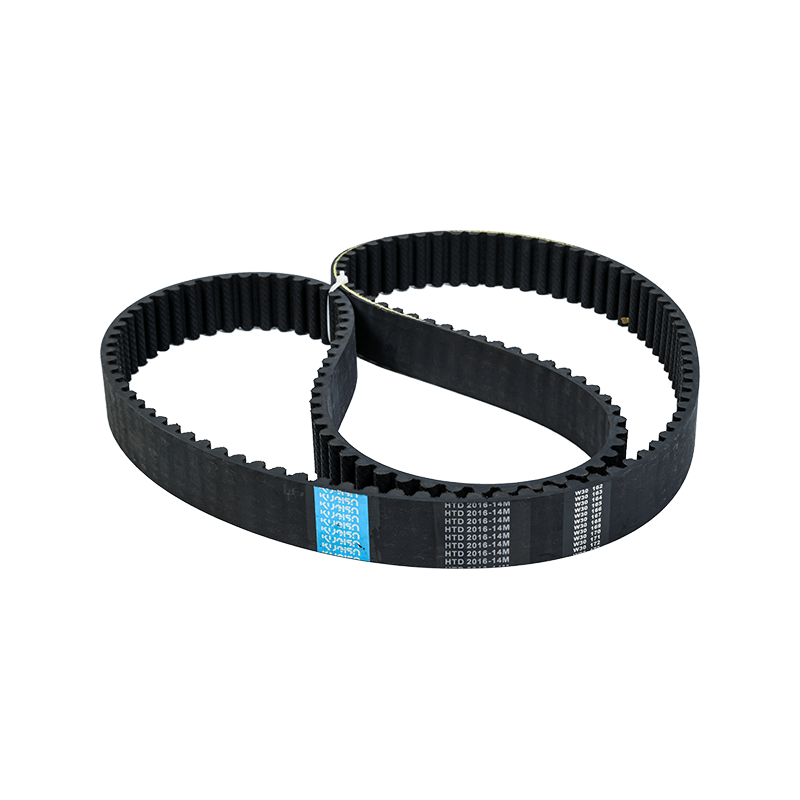
Model t hs ht Other Product Details 3M 3.00mm 2.40±0.25mm 1.22mm Click For Detai...
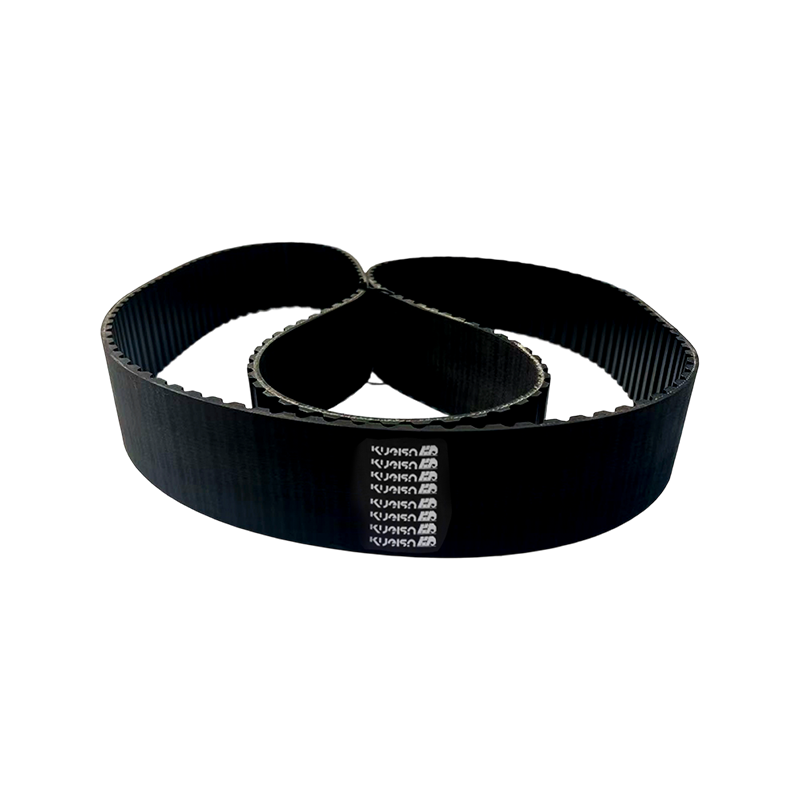
Model t hs ht Other Product Details MXL 2.032mm 1.14±0.25mm 0.51mm Click For Det...
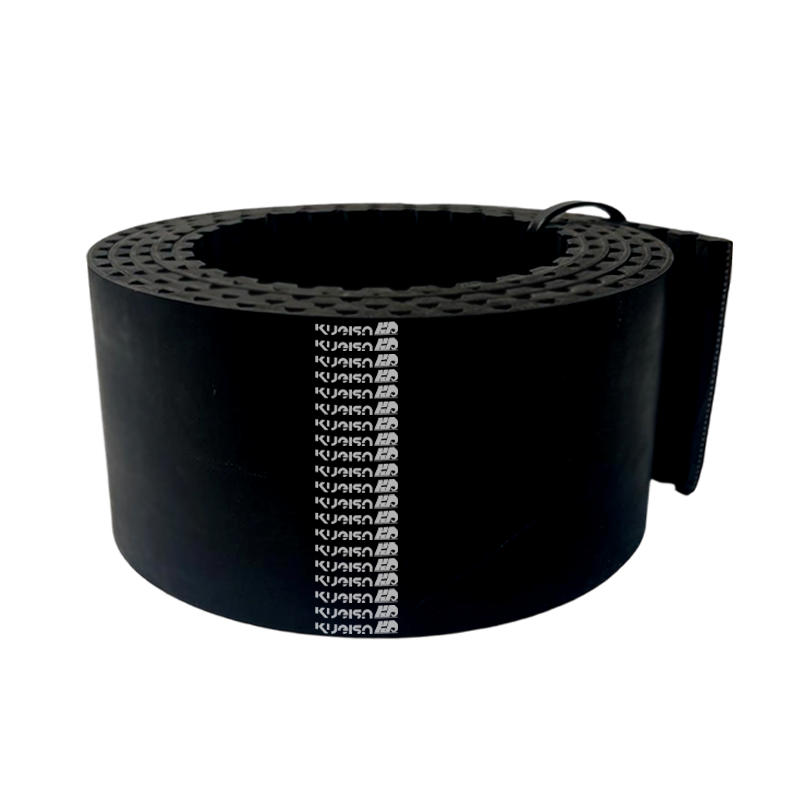
Item Trapezoidal Teeth Arc Teeth MX L XL XXL L H XH XXH T2.5 T5 AT5 T10 AT10 T20...
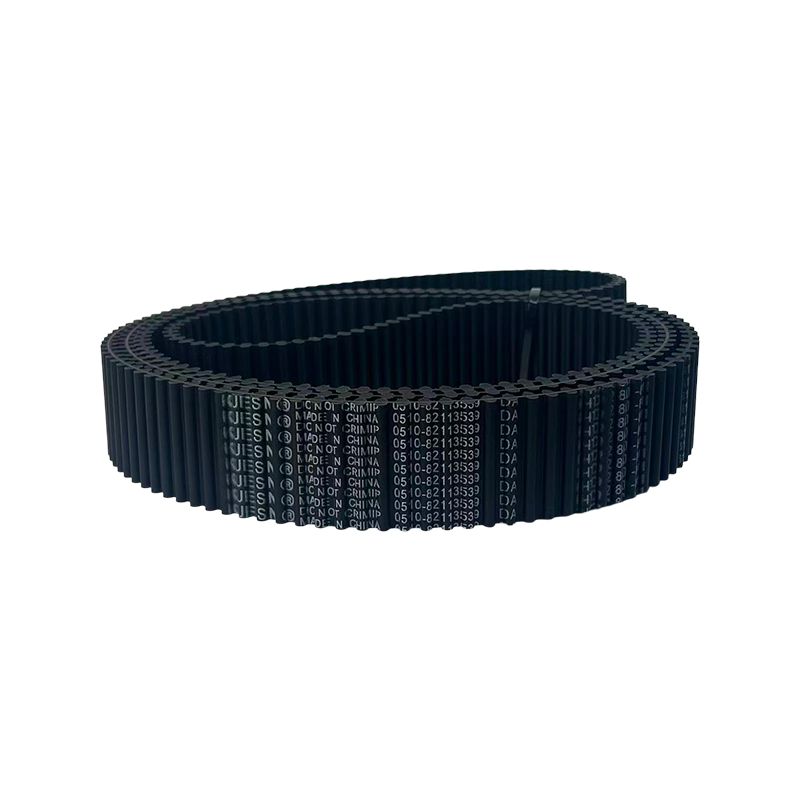
Model W T Other Product Details D-XL 0.508 3.05 Click For Details D-L 0.762 4.58...
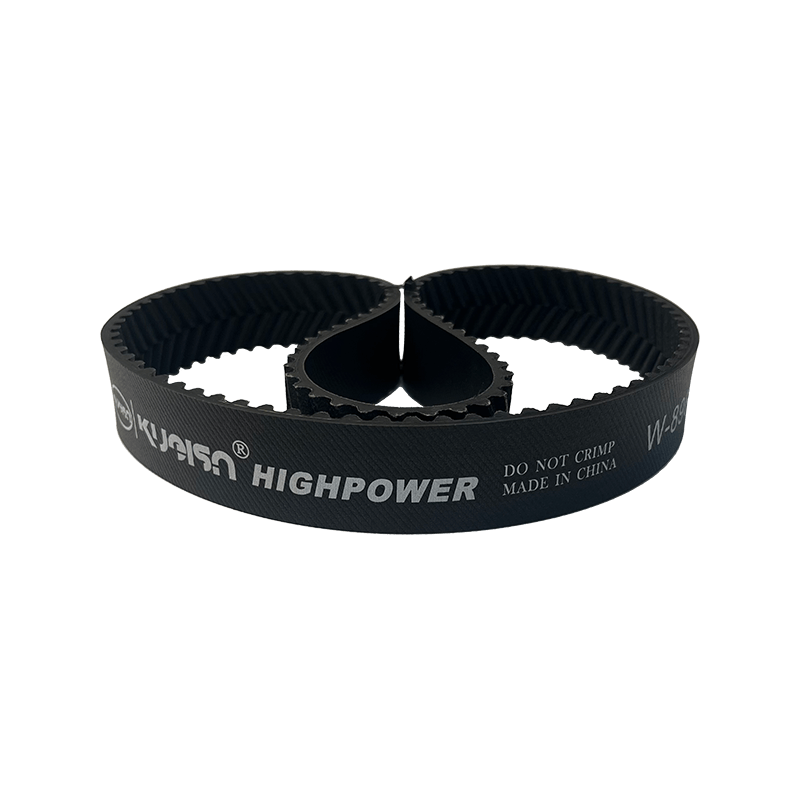
Marker W(mm) P(mm) Th(mm) H(mm) Y-8M 16 8 533 305 W-8M 32 8 533 305 P-8M 64 ...
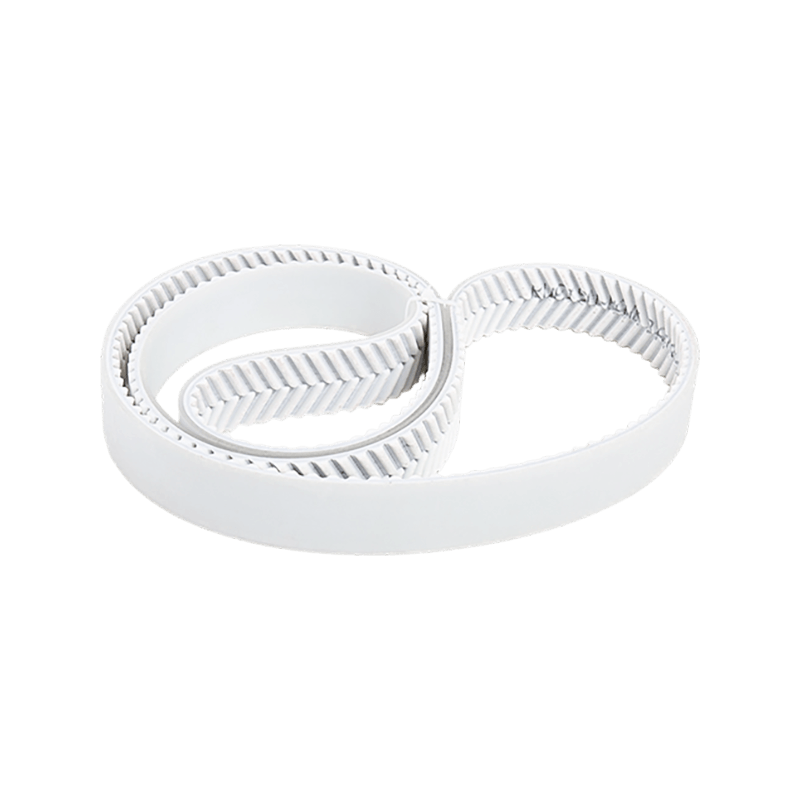
Model t hs ht Other Product Details EAGLE 5M 5 1.9 3.6 Click For Details EAGLE 8...
EAGLE 5MEAGLE 8MEAGLE 10MEAGLE 14M
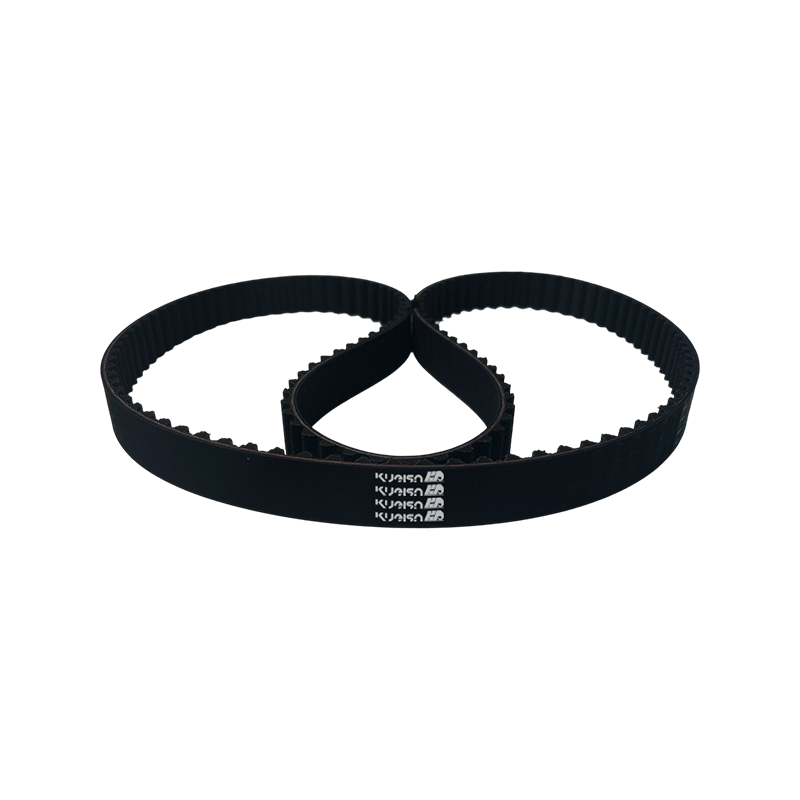
Materials: CR/HNBR Type Pb ht hs MR 9.525 3.54 5.69 MY 8.00 3.06 5.21 YU ...
Material: EPDM
AUTO RAW EDGE V BELTS
Standardboard
|
Production Type |
Top Width |
Belt Thickness |
Angle |
|
AV10 |
10 |
8 |
36 |
|
AV13 |
13 |
8.9 |
36 |
|
AV15/AV17 |
16.5 |
11 |
36 |
|
AV20 |
21 |
13 |
36 |


+86-510-82113539
Shirley: +86-18906170683
Got questions? Call us 24/7

[email protected]
Contact us now for a quote

No.99 Fu Rong Zhong San Rd, Xishan District Economic and Technological Development Zones Wuxi City, Jiangsu, China
Copyright © Wuxi KUEISN Transmission Equipment Co.,Ltd.All Rights Reserved. OEM Industrial Timing Belt and Synchronous Pulley Manufacturer
