


 English
 Português
 Indonesia
Submit feedback
How Timing Pulleys Are Changing in Modern Factories
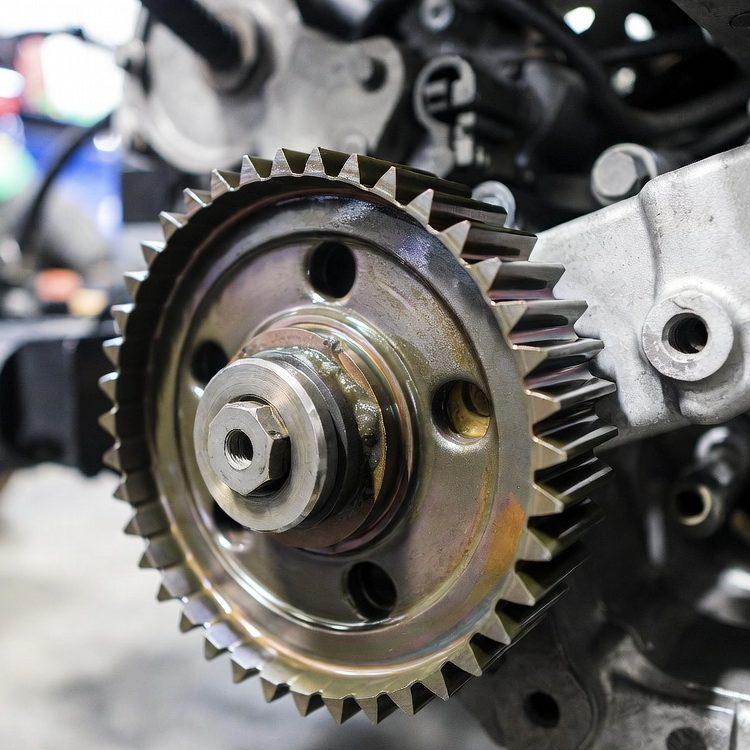
In most factories, people don't think much about motion control parts until something stops working. But timing pulleys are quietly doing the heavy lifting in thousands of automated systems — from packaging lines running at full speed to precision CNC machines. They keep everything perfectly timed, synchronized, and efficient day after day. As manufacturing moves deeper into automation and digital upgrades, these simple-looking components are suddenly getting more attention. Recent changes in design, materials, and how they're used show the industry is evolving quicker than many expected. Supply chain shifts, the push for energy saving, and the spread of Industry 4.0 are all playing a part.
The timing pulley market has grown beyond its old niche status. It's now closely tied to the bigger wave of industrial change. Latest numbers put the global market at around $14.83 billion in 2025, with forecasts suggesting it will keep growing at over 10% CAGR through 2033. Even the more traditional synchronous belt pulleys are holding steady thanks to their proven reliability.
They also help factories save energy. Compared with friction-based systems, timing pulleys usually run with less friction, need less maintenance, and last longer. These advantages fit right in with today's focus on sustainability and lower energy use. Steel used to be the default, but more and more companies are switching to aluminum alloys, engineered plastics, and composites. The reasons are straightforward: lighter weight, better resistance to corrosion, and improved energy efficiency.
| Material Type | Main Advantages | Typical Uses |
| Steel | High strength and durability | Heavy industrial machinery |
| Aluminum Alloys | Lightweight, corrosion-resistant | Automotive and automation |
| Plastic/Composite | Low noise, lightweight | Office equipment and light-duty job |
This move toward lighter materials is especially noticeable in automotive and robotics, where cutting weight can make a real difference in performance and efficiency.
Timing pulleys are also becoming smarter. Manufacturers are starting to add sensors and connect them to monitoring systems that can predict maintenance needs by tracking vibration, wear, and load. New designs come with tighter tolerances, better surface finishes, and easier integration with these smart setups. With the push for better fuel economy and the rapid rise of electric vehicles, timing pulleys are adapting to more complex engine and drivetrain needs. The automotive pulley segment was valued at about $17.3 billion in 2025 and is expected to reach $23.89 billion by 2035.
More customers are also asking for custom solutions — specific tooth profiles, custom bore sizes, or special coatings — especially in food processing, pharmaceuticals, semiconductor production, and logistics automation. This reflects the broader trend toward flexible manufacturing.
Sustainability has become a real factor too. Timing pulleys naturally support greener operations because they consume less energy, last longer, and often need little lubrication. At the same time, manufacturers are under pressure to use more recyclable materials and run cleaner production lines.
Of course, challenges remain. Rising material costs and tariffs are squeezing margins, higher precision demands make production trickier, older alternatives like chains and V-belts still compete in some areas, and finding skilled workers continues to be difficult in certain regions.
Looking forward, timing pulleys will likely see wider use in robotics, stronger demand from the EV sector, and deeper integration with smart monitoring. The line between old-school mechanical parts and digital systems is getting blurrier every year.
Timing pulleys may never be the most glamorous part of a machine, but they're becoming more strategic than ever. As factories chase higher efficiency, smarter operations, and true sustainability, these components are evolving from basic transmission pieces into key enablers of next-generation manufacturing.


Contact
-

+86-510-82113539
Shirley: +86-18906170683
Got questions? Call us 24/7 -

[email protected]
Contact us now for a quote -

No.99 Fu Rong Zhong San Rd, Xishan District Economic and Technological Development Zones Wuxi City, Jiangsu, China
Copyright © Wuxi KUEISN Transmission Equipment Co.,Ltd.All Rights Reserved. OEM Industrial Timing Belt and Synchronous Pulley Manufacturer
