


 English
 Português
 Indonesia
Submit feedback
How Car V-Belts Keep Engine Running Smoothly?
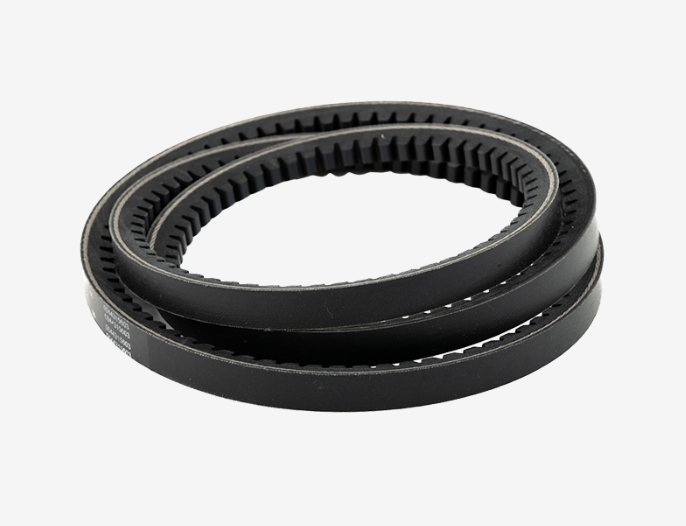
Most drivers focus on oil changes, tires and brakes when they think about car maintenance. Few pay attention to the thin rubber belts inside the engine bay. Yet these belts play a key role in keeping the vehicle running smoothly. Despite their plain look they transfer power from the engine to several important components.
What Is Automotive V-Belts?
This belt consists of flexible rubber material formed with a V-shaped cross section. The design allows it to sit firmly inside the grooves of pulleys which increases friction and greatly reduces the chance of slipping during operation. In comparison with flat belts or chains this type offers a compact and economical method to deliver mechanical power. It manages fluctuations in tension and rotational speed effectively making it well suited for the demanding conditions found in automotive engines.
How V-Belts Operate in Vehicles
The primary function involves transferring rotational energy from the crankshaft directly to various accessory systems. These accessories support both basic engine performance and everyday driving comfort. The alternator serves as one key example since it generates electricity needed to recharge the battery and supply power to lights along with other electrical equipment. Should the belt break or slip the battery loses charge rapidly which can cause the car to lose power or fail to start altogether.
The water pump relies on the belt to circulate coolant throughout the engine block and radiator. Proper coolant flow prevents the engine from reaching dangerously high temperatures. When the belt fails overheating can develop within minutes resulting in expensive damage that might even threaten engine integrity.
Power steering systems in most modern cars also depend on hydraulic pressure created by a pump driven by the belt. This setup makes turning the steering wheel much easier particularly at low speeds or during parking maneuvers. A worn or broken belt suddenly makes steering heavy and reduces driver control which creates safety concerns.
Air conditioning has become a standard feature that improves comfort especially during hot weather. The compressor which pressurizes and circulates refrigerant receives drive power from the belt. Any significant wear or damage to the belt quickly leads to weaker cooling performance or complete system failure.
In certain vehicles additional components such as cooling fans or emission control equipment may also receive power through these belts. Across all cases the belt ensures that each accessory operates in proper synchronization with engine speed.
Why V-Belts Matter for Vehicle Performance
Beyond simply spinning accessories the belts influence overall fuel efficiency engine durability and long-term reliability of the car. A belt that has become worn or lost proper tension often begins to slip which produces unusual noises and eventually causes accessory systems to stop working correctly. Routine inspection combined with timely replacement forms an important part of preventive maintenance that helps avoid larger mechanical troubles.
The V-shaped profile enables efficient power transmission while requiring only minimal tensioning hardware. Because they remain relatively inexpensive lightweight and straightforward to replace these belts continue to serve as a practical choice for manufacturers of mass-produced vehicles.
Maintaining and Replacing the Belts
Mechanics generally advise checking the belts whenever the car receives regular service. Visible cracks along the edges fraying fibers or a glazed shiny surface on the rubber all indicate that the belt has nearly reached the end of its useful life. Even though many newer models include automatic tensioners regular visual inspection remains necessary to catch problems early.
Replacing the belt at the right time does more than prevent sudden failure. It also protects the connected components from extra strain. Reduced drive efficiency can lower alternator output or slow the water pump which in turn risks electrical system problems or engine overheating.
These automotive belts may appear as minor parts tucked away in the engine bay yet they quietly handle several critical tasks during every drive. They maintain battery charge keep the engine at safe temperatures provide light steering effort and deliver cabin cooling when needed. Developing basic knowledge about these belts and performing proper maintenance can help drivers avoid unexpected breakdowns and reduce the chance of costly repairs.
Gaining familiarity with the belts offers a practical entry point for understanding how different automotive systems interact. Although small, they are an indispensable part, providing support for the vehicle's reliable daily operation.


Contact
-

+86-510-82113539
Shirley: +86-18906170683
Got questions? Call us 24/7 -

[email protected]
Contact us now for a quote -

No.99 Fu Rong Zhong San Rd, Xishan District Economic and Technological Development Zones Wuxi City, Jiangsu, China
Copyright © Wuxi KUEISN Transmission Equipment Co.,Ltd.All Rights Reserved. OEM Industrial Timing Belt and Synchronous Pulley Manufacturer
