


 English
 Português
 Indonesia
Submit feedback
Timing Pulley & Belt Pulley: Key Differences and Selection
Timing Pulley & Belt Pulley: The Practical Answer First
A timing pulley is the better choice when a drive system must keep exact shaft-to-shaft synchronization with little or no slip, while a belt pulley is usually the better choice for simpler power transmission, lower cost, and smoother operation at moderate loads. In daily engineering practice, the difference matters because a timing pulley works with a toothed belt, while a belt pulley commonly works with a friction belt such as a V-belt or flat belt.
That means the decision is not only about shape. It affects positioning accuracy, torque transfer, maintenance frequency, noise level, and allowable belt tension. For example, a packaging line that must keep two rollers aligned within a small angular error will often use a timing pulley system, while a fan, pump, or general industrial motor drive may perform well with a conventional belt pulley.
If the application needs repeatable motion, indexing, or accurate timing, choose a timing pulley. If the application mainly needs economical rotary power transfer, choose a belt pulley.
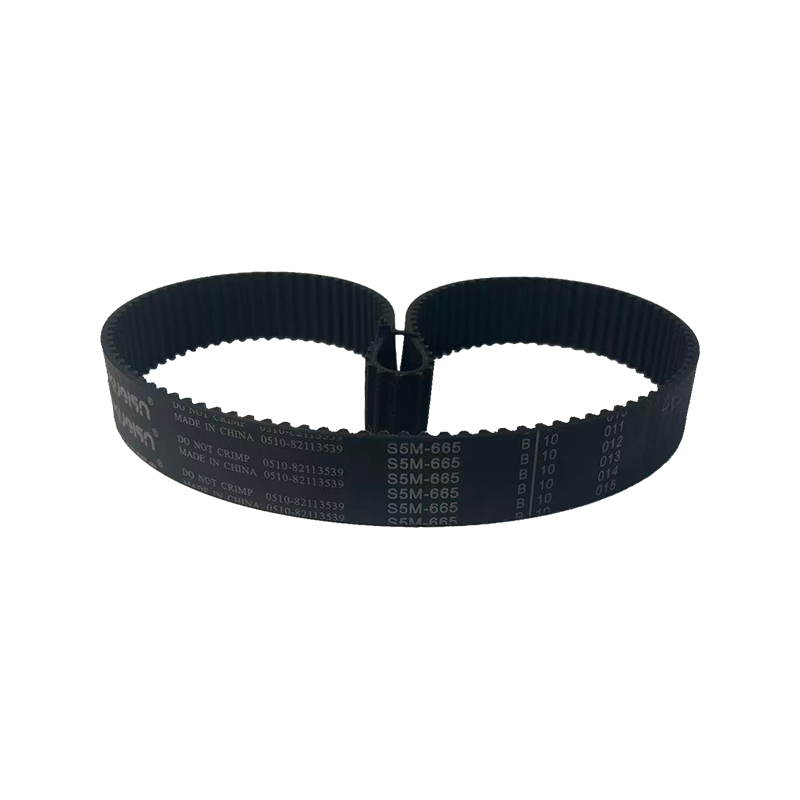
What Makes a Timing Pulley Different from a Belt Pulley
A timing pulley has teeth that engage directly with the teeth of a timing belt. Because of this positive engagement, the belt does not depend on friction alone to transmit motion. This is why timing pulley systems are often described as synchronous drives. The input and output shafts maintain a fixed speed ratio as long as the belt is correctly tensioned and the teeth are properly matched.
A belt pulley, by contrast, usually transfers power through friction between the pulley groove or surface and the belt. Common examples include V-belt pulleys and flat belt pulleys. These systems can be highly effective, but they allow some slip, especially during startup shock loads, overload, or poor tension conditions.
Why this difference matters in real operation
- A timing pulley keeps phase accuracy between shafts.
- A belt pulley can absorb shock more gently in some systems because slight slip is possible.
- A timing pulley often needs stricter alignment and cleaner operating conditions.
- A belt pulley is often simpler and less expensive for general mechanical drives.
| Feature | Timing Pulley | Belt Pulley |
|---|---|---|
| Power transfer method | Tooth engagement | Friction |
| Slip tendency | Very low | Possible under load |
| Positioning accuracy | High | Moderate to low |
| Typical cost level | Higher | Lower |
| Common applications | Indexing, automation, conveyors | Fans, pumps, general drives |
When a Timing Pulley Is the Right Choice
A timing pulley is the preferred solution when motion accuracy is not optional. In many machines, even a small amount of slip can create product defects, misfeeds, or timing drift between shafts. Since the teeth on the pulley and belt lock together, the drive ratio remains stable from startup through normal operation.
Consider a labeling machine where a drive roller must rotate in step with sensor feedback and product spacing. If the roller falls behind by only a few degrees per cycle, label placement can drift several millimeters over repeated cycles. A timing pulley system helps prevent that cumulative error. In another example, a small CNC accessory or automated gate may require one output rotation for every motor rotation with no tolerance for slip; that is also a strong case for timing pulleys.
Best-fit situations for timing pulleys
- Shaft synchronization between two or more rotating elements.
- Precise conveyor indexing or registration control.
- Applications where repeatable angular positioning is required.
- Systems where the designer wants to avoid retensioning caused by slip-related wear.
In practical terms, a timing pulley is most valuable when an error of only 1% in speed ratio or position would create a performance problem.
When a Belt Pulley Is the Better Option
A belt pulley is often the better choice for everyday power transmission where exact timing is unnecessary. It can be cost-effective, easy to source, and well suited for motors driving fans, blowers, pumps, compressors, and auxiliary systems. In these cases, the goal is usually efficient rotation transfer rather than accurate positional control.
There is also a practical benefit in systems that experience occasional shock loads. Because a friction-based belt pulley can slip under overload, it may reduce the sudden transfer of peak torque to downstream components. That does not make it a replacement for a safety device, but it can make the system more forgiving than a rigidly synchronized timing drive.
Typical reasons to choose a belt pulley
- Lower initial system cost.
- Good suitability for general industrial power transmission.
- Simple speed changes by modifying pulley diameters.
- Useful where minor slip does not affect the process result.
For instance, if a motor running at 1,450 rpm drives a fan through a larger pulley ratio to reduce the fan speed to roughly 900 rpm, a conventional belt pulley arrangement can work efficiently without the added complexity of tooth engagement.
Key Selection Factors That Affect Performance
Choosing between a timing pulley and a belt pulley should be based on measurable operating conditions, not appearance alone. The most important factors are torque, rotational speed, center distance, belt width, allowable noise, environment, and required accuracy.
Torque and load pattern
High starting torque, reversing motion, or intermittent shock loads place more stress on any belt drive. Timing pulley systems can transmit torque accurately, but tooth shear, belt tooth wear, and cord stress must still be checked. Belt pulley systems may tolerate some transient overload through controlled slip, but too much slip quickly increases heat and belt wear.
Speed ratio and precision requirement
If the speed ratio must remain stable cycle after cycle, timing pulleys have a clear advantage. In contrast, a belt pulley is acceptable when speed variation within a small range does not affect process quality. A ventilation system, for example, can usually tolerate some variation far better than a synchronized feeder.
Contamination and operating environment
Dust, oil mist, moisture, and abrasive debris influence service life. A friction belt pulley can lose performance if contamination reduces grip. A timing pulley can also suffer if debris packs into the tooth spaces and interferes with belt seating. In dirty environments, guarding and routine cleaning become more important than the drive type alone.
Alignment and installation quality
Poor alignment is one of the fastest ways to shorten belt life. Even a small angular error can push the belt toward flange contact, edge wear, noise, and premature failure. In practice, a correctly selected pulley can still fail early if shaft parallelism and tension are ignored.
How Pulley Size, Tooth Count, and Belt Width Influence Results
Pulley geometry directly affects belt speed, bending stress, load capacity, and service life. A common mistake is selecting the smallest possible pulley to save space. While compact layouts are attractive, very small pulleys increase the bending frequency of the belt and can shorten its usable life.
In timing pulley systems, tooth count matters because it affects both engagement and pitch diameter. Too few teeth can reduce belt wrap and concentrate load on a smaller number of engaged teeth. Many designers aim to maintain enough belt wrap for stable tooth engagement, especially on the smaller pulley. A belt pulley system also depends heavily on wrap angle; if the contact arc is too small, slip becomes more likely under load.
Practical rules that improve durability
- Avoid undersized pulleys when the drive runs continuously at high speed.
- Use sufficient belt width for the transmitted load rather than relying only on higher tension.
- Maintain adequate wrap angle on the smaller pulley to improve grip or tooth engagement.
- Check shaft and bearing loads because excess belt tension can damage bearings long before the belt fails.
| Design choice | Likely effect | Practical outcome |
|---|---|---|
| Smaller pulley diameter | Higher belt bending stress | Shorter belt life |
| Wider belt | Higher load capacity | Lower stress per unit width |
| Low wrap angle | Reduced contact or engagement | More slip or tooth loading |
| Excessive tension | Higher shaft and bearing load | Faster bearing wear |
Common Problems and What Usually Causes Them
Most drive issues do not start with catastrophic failure. They start with signs such as dust buildup, edge wear, abnormal noise, visible polishing, tooth wear, or inconsistent speed. Catching those early signs can reduce downtime and avoid replacing shafts, bearings, and guards along with the belt.
Problems seen in timing pulley systems
- Tooth wear often points to misalignment, poor mesh, or debris inside the pulley grooves.
- Jumping teeth under load can indicate insufficient tension or overload.
- Edge fraying commonly suggests pulley tracking problems or shaft misalignment.
Problems seen in belt pulley systems
- Glazing and heat buildup often indicate slip from low tension or contamination.
- Cracking can point to age, repeated bending, or pulley diameter that is too small.
- Uneven groove wear may show that the pulley profile is worn or mismatched to the belt.
A short inspection routine can prevent a large repair bill. In many facilities, checking tension, alignment, and visible wear every few weeks is enough to catch the majority of developing problems before they stop production.
Installation and Maintenance Practices That Actually Extend Service Life
Correct installation has a measurable effect on service life. A belt or pulley that is properly sized but poorly installed may fail much sooner than a modestly loaded system installed with care. For both timing pulley and belt pulley drives, the biggest maintenance gains usually come from tension control, alignment, cleanliness, and periodic inspection.
Good maintenance habits
- Recheck tension after the first operating period because new belts can settle slightly.
- Inspect pulley grooves or teeth for wear before fitting a new belt.
- Keep guards and surrounding areas clean so debris does not accelerate wear.
- Replace worn belts before they damage pulleys, shafts, or bearings.
A practical example is a lightly loaded conveyor that runs 10 hours per day. If belt tracking is corrected as soon as edge wear appears, the system may continue operating reliably for a much longer interval. If that early sign is ignored, the same conveyor may require both belt and pulley replacement after the wear pattern becomes severe.
How to Choose Between Timing Pulley and Belt Pulley for Your Application
The simplest way to make the right choice is to match the drive type to the performance requirement. Start with the function of the machine, then work backward through accuracy, torque, duty cycle, and environment. This prevents overdesign in simple systems and underdesign in precision systems.
Use this checklist before selecting
- Does the machine require synchronization with little or no slip?
- Will minor speed variation affect product quality or machine timing?
- Is the system operating under frequent start-stop or reversing loads?
- Is the available installation space forcing a very small pulley size?
- Is cost reduction more important than precision for this drive?
- Will the environment expose the drive to dust, oil, or debris?
If most answers point toward accuracy, repeatability, and phase control, a timing pulley is usually the correct solution. If most answers point toward simple rotary power transfer at moderate cost, a belt pulley is usually more practical.
The most reliable selection method is to base the choice on required motion quality, not on whether both options can physically fit in the same space.
Final Takeaway
Timing pulley and belt pulley systems both have strong value, but they solve different problems. A timing pulley is designed for synchronous, repeatable motion with minimal slip. A belt pulley is designed for efficient, economical power transmission where slight slip is acceptable.
Choose a timing pulley for precision. Choose a belt pulley for general power transmission. That single rule covers most real-world decisions and helps prevent mismatched components, avoidable wear, and unnecessary cost.


Contact
-

+86-510-82113539
Shirley: +86-18906170683
Got questions? Call us 24/7 -

[email protected]
Contact us now for a quote -

No.99 Fu Rong Zhong San Rd, Xishan District Economic and Technological Development Zones Wuxi City, Jiangsu, China
Copyright © Wuxi KUEISN Transmission Equipment Co.,Ltd.All Rights Reserved. OEM Industrial Timing Belt and Synchronous Pulley Manufacturer
